Official figures show that around 3.13 million homes in the UK have faulty smart meters, up from 3.06 million in March. The data, released by the Department for Energy Security and Net Zero, reveals that the number of devices not working in smart mode has increased, prompting a warning that affected households could be paying more than necessary for their energy.
Rise in faulty devices and replacements
Between March and June 2026, replacements accounted for 53% of all smart meter installations, a significant jump from 30% earlier in the year. This surge in replacements highlights the scale of the problem, as energy suppliers work to swap out devices that are not functioning correctly.
Consumer expert Martyn James criticised the situation, saying: “After nearly a decade of smart metering, it’s an absolute scandal that millions are still not working.” He added: “Incorrect bills are the number one source of complaint for people – and often are fobbed off by firms who claim their meter is reading correctly when it isn’t.”

Impact on households as energy bills rise
The warning comes as energy bills continue to climb, with reports suggesting they could rise by £260 within four years, despite a cost of living pledge from Andy Burnham. James noted: “The rise in dumb meters hits as energy bills soar once more. So millions of people have no idea what their usage actually is.”
For households with a smart meter in credit mode, checking whether the device is sending automatic readings is straightforward. On an energy bill, an ‘S’ next to the meter reading indicates the reading comes directly from the smart meter. An ‘E’ means the reading has been estimated, which could suggest the meter is not operating in smart mode.
How to check if your smart meter is working
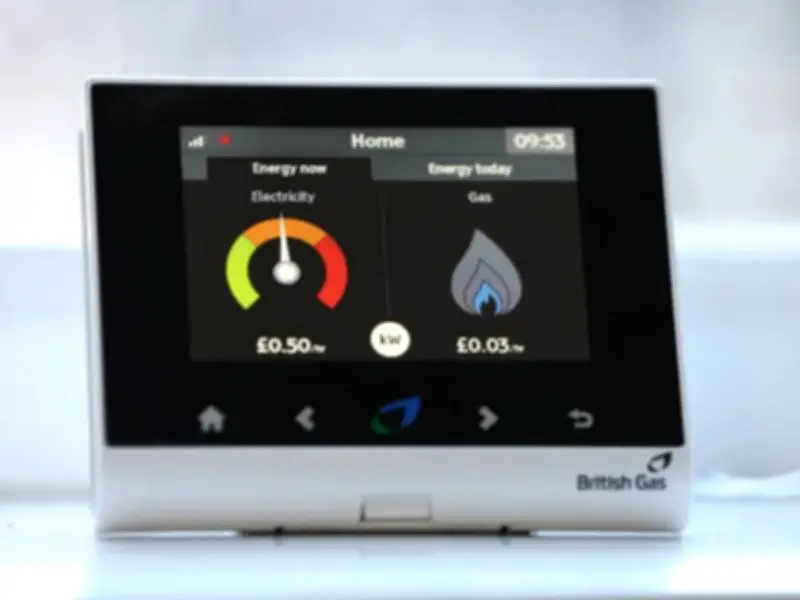
If a smart meter is not sending automatic readings to the supplier, it should still record energy use correctly. In most cases, this is a temporary connection issue that can be fixed remotely. Smart meters come with an in-home display (IHD) that shows near real-time energy usage. However, even if the IHD is not connected or displays incorrect data, the meter itself may still be functioning properly.
Consumers can verify their meter’s status by examining their energy bill. If the bill is based on smart meter readings but the in-home display looks wrong, the issue is likely with the display rather than the meter.
An Ofgem spokesperson said: “We expect energy companies to treat their customers fairly, provide a good service, and swiftly address complaints or concerns raised by their customers.” The regulator added: “Customers who are dissatisfied with the service they’ve received should first raise their concerns with their supplier. If the issue remains unresolved or they are unsatisfied with the outcome, they should escalate their complaint to the Energy Ombudsman.”