A dedicated specialist board has been established in Birmingham to confront a significant and worrying rise in tuberculosis (TB) cases across the city and the wider West Midlands region. Public health officials are now issuing an urgent call for residents to seek immediate testing if they suspect they may have contracted the disease.
Concerning Infection Rates Across the Region
Recent data from the UK Health Security Agency paints a stark picture of the situation. In the three-year period leading up to 2024, Birmingham recorded an average of 210 people diagnosed with TB annually. This translates to an infection rate of 17.9 cases per 100,000 people, highlighting a substantial public health challenge.
Neighbouring Areas Also Affected
The troubling trend is not confined to Birmingham alone. Several neighbouring local authorities have also reported concerning increases in tuberculosis cases:
- Wolverhampton recorded a three-year average of 61 cases, with an infection rate of 22.3 per 100,000 people.
- Sandwell reported an average of 63 cases, matching Birmingham's infection rate of 17.9 per 100,000.
- Coventry saw an average of 72 cases, corresponding to a rate of 19.9 per 100,000 people.
These figures collectively underscore a regional public health issue that requires a coordinated and strategic response.
The Role of the New Strategic Board
The newly formed Birmingham and Solihull TB Programme Board has been tasked with a clear and critical mission: to reduce the overall number of tuberculosis cases in the area. A key part of its strategy involves making it significantly easier for individuals to receive an early diagnosis and ensuring that treatment pathways are as smooth and accessible as possible.
This initiative operates alongside the broader Fast Track Cities+ campaign, which shares the same core objectives of case reduction and improved patient access to care.
Public Health Leadership Urges Action
Sally Burns, Director of Birmingham Public Health, provided context for the rise. "We've been seeing a rise in TB throughout the country, particularly in communities facing greater social and economic challenges, and among people who may have had increased exposure or reduced access to healthcare," she stated.
Ms Burns offered a crucial message of reassurance alongside the call for vigilance. "While TB can be serious, it is curable with the right treatment, especially if caught early, and is not easily transmissible," she emphasised.
Understanding Tuberculosis
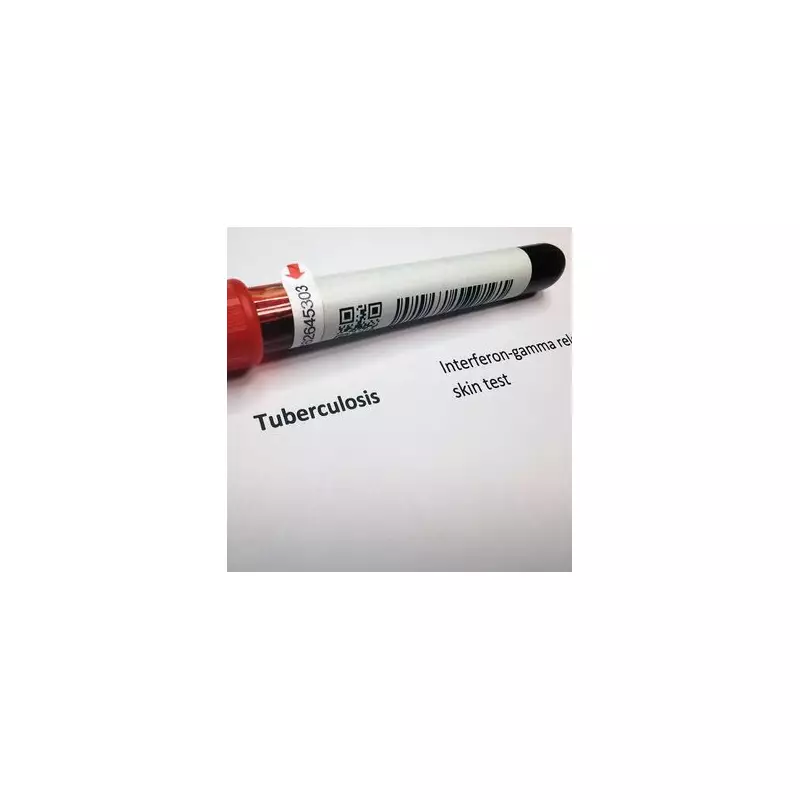
Tuberculosis is a bacterial infection that most commonly affects the lungs. It is treatable with a course of antibiotics, but can become serious and cause severe health complications if left undiagnosed and untreated.
An Urgent Call for Testing
The central message from health authorities is unequivocal. "If you think you might be at risk or have symptoms, don't wait, get tested," urged Ms Burns.
Officials stress that getting tested for tuberculosis is a straightforward, quick, and completely free process. Residents are encouraged to:
- Visit their GP for a confidential test.
- Seek further information and guidance online to understand their risk and the testing process.
The establishment of the specialist board marks a proactive step by Birmingham's health leaders to tackle this resurgence head-on, combining strategic planning with a direct public information campaign to protect community health.