Dr Mark Regi, from the VeinCentre, is urging people to check their legs for subtle symptoms that could signal a major vascular issue. Missing these changes might lead to far more severe health complications over time.
Why Circulation Matters
Our circulatory system is a vital network that delivers oxygen and nutrients to the body while removing waste products. However, everyday signs of poor blood flow are often ignored or blamed on ageing. Dr Regi said: "Our circulation plays a crucial role in maintaining overall health, and when something isn't right, the body will often give warning signs. The problem is that many symptoms of poor circulation can easily be mistaken for something else or dismissed as part of ageing or everyday life. Poor circulation rarely improves on its own, so it's key to address it to relieve symptoms but also to prevent severe, progressive health complications."
Key Symptoms to Watch For
Cramping
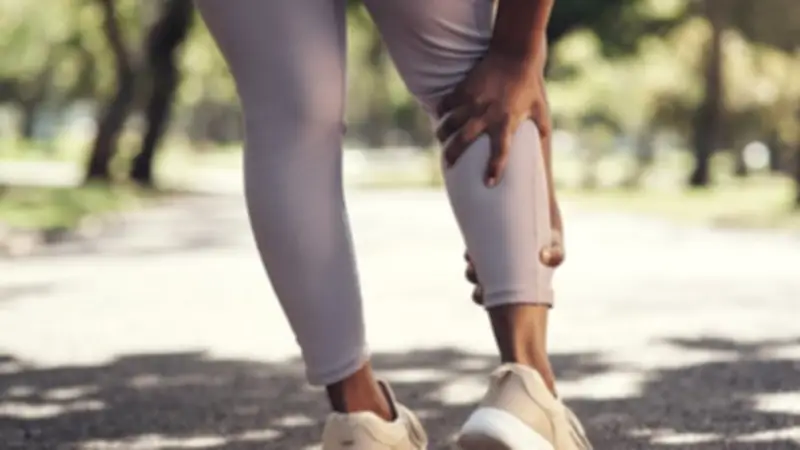
Experiencing regular spasms in your lower limbs and feet could mean your tissues are starved of oxygen. This discomfort often intensifies when you are moving around or active. Dr Regi said: "Cramping becomes more noticeable during exercise or while walking, as muscles are not receiving enough oxygen-rich blood. Some people may also experience aching, heaviness and fatigue in their legs after long periods of sitting or standing. Cramps can also be associated with underlying artery or vein issues, such as varicose veins."
Thinning Hair
Noticing less hair on your shins or calves can actually point to an internal problem with your blood flow. When the vascular system slows down, it directly impacts the health of your skin. Dr Regi said: "When blood pools in the legs, it can negatively affect the skin, reducing the number of hair follicles and leading to hair thinning or hair loss on the legs."
Varicose Veins
Swollen, twisted blue lines on your legs are among the most obvious indicators that your blood is struggling to move. These appear when the tiny internal flaps designed to push blood upwards begin to fail. Dr Regi explained: "Varicose veins develop when the valves inside veins stop working properly, allowing blood to pool rather than flow efficiently back towards the heart. If left untreated, varicose veins can worsen over time and lead to further health complications, including skin changes, swelling and leg ulcers. And they can be treated, so people don't need to live with the aching heaviness that comes with varicose veins."
Swelling
When fluid gathers in your ankles and feet, it suggests your cardiovascular network is failing to drain efficiently. This build-up forces liquid into the nearby flesh, causing noticeable puffiness. Dr Regi said: "When circulation slows, blood and fluid can begin to pool in the lower limbs. This increases pressure inside veins and causes fluid to leak to surrounding tissues, causing swelling and puffiness. Persistent swelling should always be assessed, especially if it is accompanied by pain or discomfort."
Getting Help
While routine daily habits affect your veins, experts recommend getting professional advice to find the root cause. Dr Regi said: "The earlier circulation problems are identified, the easier they are to manage. Simple lifestyle measures can make a significant difference, but some people may also require medical treatment if an underlying vein condition is present."