Families across the UK are being urged to conduct an urgent check of their refrigerators this festive season. A widespread household oversight could be creating the perfect conditions for potentially fatal bacteria to multiply on everyday foods, particularly as fridges become packed with supplies for gatherings and celebrations.
The Hidden Danger in Your Kitchen
Many people operate under the assumption that once food is inside the fridge, it is automatically safe. However, food safety experts stress this is a dangerous misconception. Refrigerators that are set too warm, overloaded with items, or infrequently monitored can easily operate above the recommended safe temperature of 5°C.
At higher temperatures, bacteria like listeria can rapidly multiply on chilled, ready-to-eat products. Alarmingly, this growth does not change the food's smell, taste, or appearance, leaving consumers unaware of the contamination.
This warning comes in the wake of a recent and tragic listeria outbreak linked to chilled desserts served in NHS hospitals. The incident resulted in three patient deaths and required two others to receive medical treatment. Tests identified listeria in chocolate and vanilla, and strawberry and vanilla mousses supplied by a company called Cool Delight Desserts.
Although the detected bacteria levels were below the legal limit considered risky for healthy adults, the products were removed from hospital fridges as a precautionary measure.
Why Domestic Fridges Are at Risk Over Christmas
The hospital outbreak has raised significant concerns that similar hazardous conditions are being replicated in homes nationwide. Insurance specialists at LifePro highlight that countless households treat their fridge temperature dial as a 'set and forget' feature, often never adjusting it from the factory default setting.
Their analysis of common habits suggests millions of UK fridges may be running above 5°C. Contributing factors include frequent door opening during busy periods, shelves crammed beyond capacity, and default settings that are not suited to a busy family's use.
This risk is especially acute for foods that are consumed without further cooking or reheating. These include:
- Cooked meats and deli slices
- Soft cheeses
- Pre-made sandwiches and salads
- Desserts and ready meals
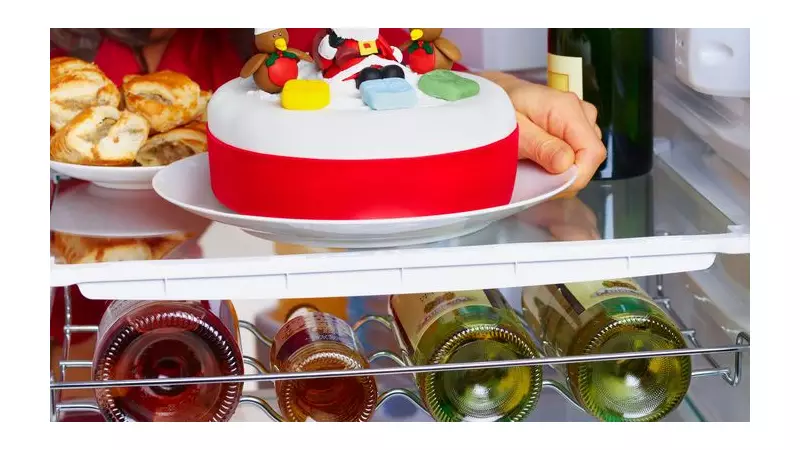
Any bacteria that develops on these items during storage goes directly onto the plate. During the winter holidays, fridges are typically stuffed with party food, Christmas leftovers, and opened packs of ham or pâté, all while the door is constantly opened for drinks and snacks.
Protecting Vulnerable Loved Ones
Listeria is particularly dangerous because it can grow even at standard fridge temperatures. It poses the greatest threat to older people, pregnant women, and individuals with weakened immune systems. In severe cases, infection can lead to life-threatening conditions like meningitis or blood poisoning.
The consequences of exposure can be far more serious for vulnerable individuals. Older relatives visiting for Christmas, new parents, people undergoing cancer treatment, or those with long-term health conditions are at a dramatically higher risk of severe illness from contaminated food. What might cause only mild symptoms in a healthy adult can be fatal for others.
Food safety authorities advise that the risk can be substantially reduced by taking a few simple steps:
- Ensure your fridge is set to 5°C or below. Use a separate thermometer to verify the internal temperature accurately.
- Avoid overcrowding shelves to allow cold air to circulate freely.
- Always store raw meat in sealed containers on the bottom shelf. Keep ready-to-eat foods on higher shelves to prevent cross-contamination from drips.
- Cool leftovers quickly, refrigerate them within two hours of cooking, and always adhere to 'use by' dates.
Households with higher-risk individuals should exercise extra caution with products like soft cheeses, pâté, deli meats, and pre-prepared salads, which have often been associated with listeria warnings. Labelling leftovers with the storage date and discarding anything more than a couple of days old can further minimise danger.
LifePro is urging the public to treat regular fridge checks with the same importance as testing smoke alarms. As the festive season reaches its peak, a simple temperature verification and shelf tidy could prevent a common storage error from escalating into a serious health emergency for your family.