The Silent Sight Crisis: Glaucoma Cases Set to Surge Across Britain
What many consider a routine check for new glasses could be the crucial defence against a growing national health crisis. New research reveals that more than 1.1 million British adults are living with glaucoma, a condition often described as the 'silent thief' of sight. Alarmingly, experts predict this number will increase by a staggering 60% to reach 1.6 million cases by 2060, creating what specialists are calling a demographic timebomb for the nation's eye health.
The Undetected Epidemic
Professor Paul Foster of Moorfields Eye Hospital, lead author of a landmark study published in the British Journal of Ophthalmology, delivers a sobering warning. "Half of all glaucoma cases currently remain undiscovered until permanent damage has already occurred," he explains. The condition's insidious nature lies in its complete lack of symptoms during early stages, quietly damaging the optic nerve - the vital connection between eye and brain - without causing pain or obvious vision changes.
Fresh analysis of census data reveals the scale of the problem is even greater than previously estimated. While glaucoma predominantly affects those over 50, the research shows that 3% of everyone over 40 is already living with the condition. "If you haven't visited an optician in the last two years, you are effectively flying blind when it comes to glaucoma detection," Professor Foster emphasises.
Modern Detection: Three Simple Checks
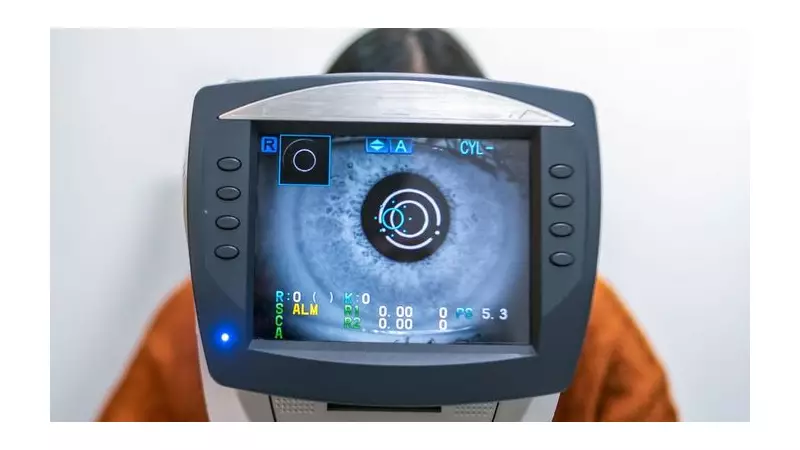
The standard glaucoma screening available at high-street opticians involves three straightforward, painless procedures:
- Pressure check (Tonometry): Often called the 'puff of air' test, this measures internal eye pressure
- Visual field test: A quick assessment of peripheral (side) vision to detect early loss
- Optic nerve scan: Advanced OCT (Optical Coherence Tomography) technology that creates detailed 3D images to spot microscopic nerve changes
Unequal Impact and Urgent Action Required
The research highlights significant disparities in glaucoma prevalence across different communities. The condition affects 4% of those of African heritage and reaches a concerning 11% among those aged 85 and over. Professor Foster notes that diagnosis delays are particularly pronounced among some ethnic minority groups, compounding the risks.
"Late diagnosis comes with a higher risk of sight loss and higher costs of care," he states. "Over 40% of glaucoma patients in the UK experience vision loss that could have been prevented with earlier diagnosis and treatment, such as eye drops or surgery."
The findings underscore an urgent need to expand ophthalmology services to meet the projected surge in demand. Professor Foster calls for enhanced specialist care and diagnostic capacity, alongside targeted awareness campaigns encouraging regular eye examinations, particularly among underserved populations.
Red Flags: When to Seek Immediate Help
While chronic glaucoma develops without symptoms, the acute form requires emergency attention. Watch for these warning signs:
- Intense eye pain: Often accompanied by nausea or vomiting
- Red eyes: Persistent tenderness around the eye area
- Halo vision: Seeing rainbow-coloured rings around bright lights
- Tunnel vision: Noticeable loss of peripheral sight in later stages
A National Wake-Up Call
Joanne Creighton, chief executive of Glaucoma UK, describes the research as a crucial wake-up call. "This reveals a reality where over one million adults are living with glaucoma, many without knowing it, and potentially losing sight they will never recover," she says.
For those over 40, specialists recommend annual eye examinations to detect structural changes before they become visual ones. Modern treatments - ranging from daily eye drops to straightforward laser procedures - prove remarkably effective at halting disease progression when caught early.
As Britain faces this growing public health challenge, the message from eye care professionals is clear: regular optician visits are no longer just about prescription updates, but essential preventative healthcare that could save your sight from this silent, progressive condition.