UK Health Authorities Issue Urgent Warning Over Deadly Nipah Virus for Asian Travellers
The UK Health Security Agency has released a critical travel alert following confirmed reports of Nipah virus cases across specific regions in Asia. British tourists planning journeys to identified hotspots within South and South-East Asia are being strongly advised to adhere to stringent safety protocols to prevent potential infection from this dangerous pathogen.
Understanding the Nipah Virus Threat
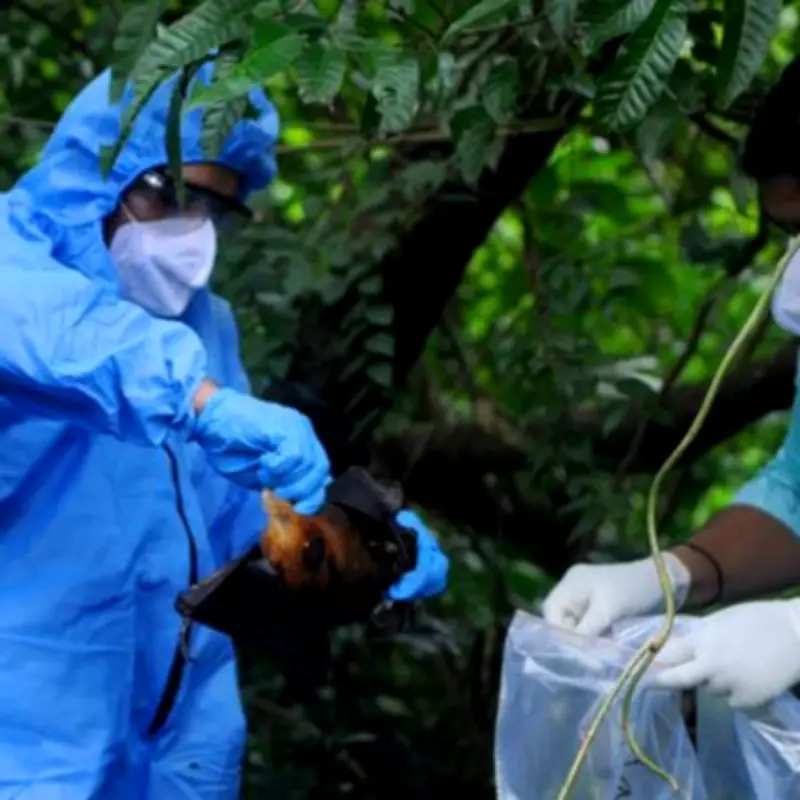
Nipah virus represents a severe zoonotic disease, naturally harboured by fruit bats, though it possesses the capability to infect various other animal species. Recent outbreak activity has been officially documented in West Bengal, India, with historical precedents showing significant impacts in nations including Bangladesh and Malaysia.
The mortality rate associated with Nipah infection is alarmingly high, with epidemiological studies indicating that between 40 and 75 percent of diagnosed cases prove fatal. For those who survive the initial illness, there is a substantial risk of enduring permanent neurological damage, which can manifest as chronic seizure disorders or profound alterations in personality and cognitive function.
Symptoms and Transmission Pathways
Initial infection symptoms typically emerge within an incubation period ranging from four to 21 days following exposure. The onset commonly presents as an abrupt fever accompanied by flu-like manifestations. In more critical progressions, the virus can precipitate severe pneumonia or encephalitis—a dangerous inflammation of the brain that carries life-threatening implications.
Primary human infection most frequently occurs through the consumption of fruit or fruit-derived products that have been contaminated by the saliva or excreta of infected fruit bats. Furthermore, direct human-to-human transmission is medically confirmed, occurring through close contact with the bodily fluids of an infected individual.
Current Medical Landscape and Prevention Advice
At present, the global medical community has not developed a specific vaccine or universally proven antiviral treatment to prevent or cure Nipah virus infection. Clinical management is therefore centred on intensive supportive care and the meticulous management of presenting symptoms to stabilise patients.
To significantly reduce infection risk, the UKHSA advises all travellers to endemic regions to:
- Strictly avoid any contact with bats and visibly unwell animals.
- Thoroughly wash and peel all fresh fruit before consumption.
- Completely abstain from consuming raw or partially fermented date palm juice unless it has been subjected to a rigorous boiling process.
Critical Steps for Symptomatic Individuals
Any traveller who begins to exhibit potential symptoms while visiting an endemic area must seek immediate professional medical assessment from a qualified healthcare provider. For individuals who develop symptoms after returning to the United Kingdom, it is imperative to promptly contact their GP or local health service and provide a comprehensive account of their recent travel history to facilitate accurate diagnosis and appropriate infection control measures.