New Treasury estimates have revealed that the total council tax take will surge by 43 per cent by 2030, a rise that could see band A households in England paying an additional £555 a year. The figures, obtained via parliamentary questions and seen by The Telegraph, show the exchequer will collect £58.8bn in 2030/31, up from £41.2bn in 2024/25.
Prime Minister Andy Burnham, who succeeded Sir Keir Starmer earlier this month, has already pledged to reform the council tax system. However, the Conservative Party, led by Kemi Badenoch, has warned that his plans for fiscal devolution to regional mayors could push bills even higher.
Burnham premium set to cost households £500 on average
The so-called "Burnham premium" is predicted to increase the average bill by £500 by 2030. Across the eight council tax bands, the average increase would be approximately £556 per household. For those in the most common Band D properties, the annual bill will climb by £556 by 2030. For band A households, the rate will rise from £2,280 to £2,836 – also an increase of £556.

Analysis by the Telegraph and the Conservatives suggests that the band A rate will rise from £2,280 to £2,836 by 2030/31. This represents an increase of £556, meaning those in the lowest-value homes will be hit just as hard as those in higher bands, undermining the progressive nature of the tax.
Treasury coffers boosted by £17bn
In 2024/25, the Treasury raked in £41.2bn from council tax. By 2030/31, that figure is expected to soar to £58.8bn – an increase of more than £17bn, or 43 per cent. These estimates were released following parliamentary questions tabled by the opposition, and they form the basis of the government's projected revenue.
With £18bn of council tax rises already baked into Labour's plans, the Conservatives argue that Burnham's model of regional devolution – which they have christened "Manchesterism" – will only accelerate the burden on taxpayers.
Shadow minister attacks Burnham's high-tax agenda
Sir James Cleverly, the shadow communities secretary, did not hold back in his criticism. He said: "Andy Burnham is right to want to boost growth across our communities. But his model of Manchesterism is a recipe for soaring taxes in every post code."
Cleverly added: "Labour have already baked in £18bn of council tax rises. And now former Manchester mayor Burnham wants to go further and impose his high-tax regional model across England."
Burnham insists reform is about fairness
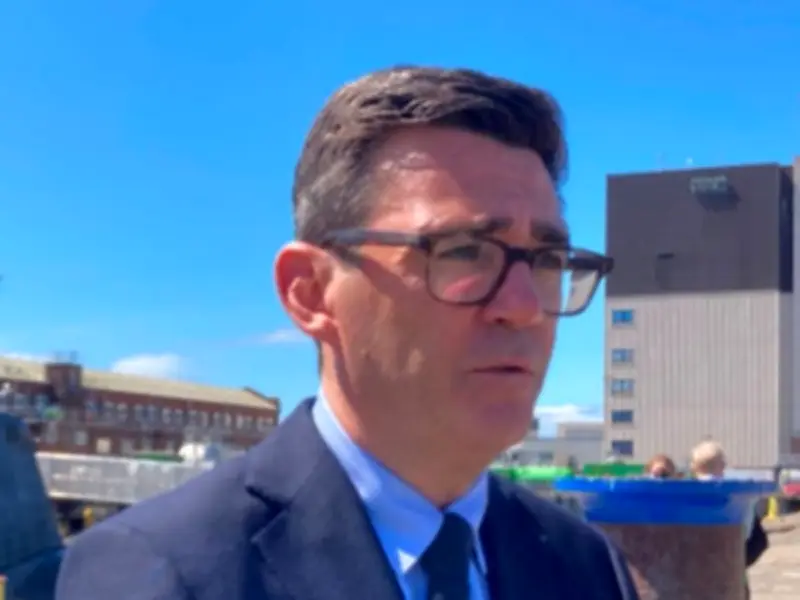
Speaking to Laura Kuenssberg on the BBC's Panorama programme, Burnham defended the need for change, arguing that the current system is unfair. He highlighted the anomaly of Greater Manchester residents paying more council tax than people living in far larger homes in London.
He said: "There are people here in Greater Manchester who pay a much higher council tax than people living in much larger homes in London."
Burnham also praised his predecessor as chancellor, Rachel Reeves, for beginning the reform process. He noted that homes of much greater value have not seen their council tax rise over the years because of the failure to revalue the bands. "So that's an example of something that I think was right and fair," he said.
Manifesto pledge still a brake on radical changes
Despite his enthusiasm for reform, Burnham acknowledged that any significant changes must be consistent with the manifesto on which Labour was elected. He told Panorama: "We need to honour the manifesto upon which Labour was elected, and if I was to bring forward any changes, obviously people would rightly say, well, is this consistent with that manifesto?"
He conceded that there are "big decisions ahead" on council tax, echoing his earlier statements that he has been "persuaded" by the argument for reform.
What could the changes mean for households?
If the projections are realised, the average council tax bill across all bands will have risen by around £556 by 2030. For band A households – typically smaller homes or those in more deprived areas – the increase is particularly significant, as the rise from £2,280 to £2,836 represents a 24.4 per cent increase over six years.

The Treasury's estimates come at a time of increasing pressure on public finances, and the government has yet to announce any specific revaluation plans. However, with Burnham now in Number 10, his previous advocacy for reform suggests that council tax changes could be a central feature of the next spending review.
For now, households face the prospect of rising bills, with the exact level depending on the outcome of the Burnham government's deliberations. The prime minister has promised to honour the manifesto, but he has also signalled a willingness to consider changes that may break with past policy.