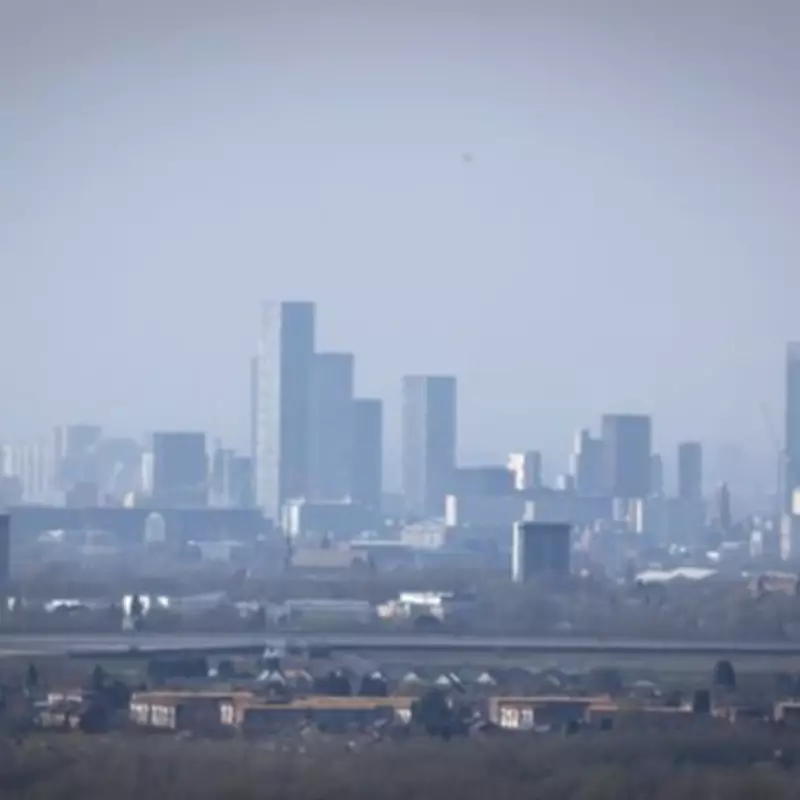
Manchester city centre is set to expand, acting as an 'engine of economic growth' for the wider region and the north. The Labour-led Manchester council announced its intention to extend the city centre boundaries last September, incorporating inner-city areas such as the Great Ducie Street area of Strangeways, part of Victoria North, Ancoats, New Islington, Manchester Science Park, and the Manchester Metropolitan University campus.
The Local Plan and Vision
The blueprint is detailed in the council's local plan, a document that outlines the future development of the city. It presents a vision of an expanded Manchester city centre as the UK's 'most significant economic location outside London'. Project leaders believe a larger city centre will bring wide-ranging benefits, including a boost in housing, more jobs, green spaces, and improved infrastructure. This includes enhancements to public transport, roads, schools, healthcare, and a target to become net zero by 2038.
'Located at the heart of the transport connections across the North of England, its location at the hub of an extensive transport network makes it both an attractive and sustainable location for growth,' Manchester council stated in their report. 'This will increase further with improvements to the transport infrastructure. In order to sustain this vital role as an economic driver, land needs to be made available and the city centre will need to expand with other areas identified for residential and economic growth.'

Expert Opinions on Inclusive Growth
India Gerritsen, a researcher at think tank IPPR North, commented that an expanded Manchester city centre could improve lives far beyond its boundaries if executed correctly. She told the Local Democracy Reporting Service (LDRS): 'The city centre has been the engine of Manchester's growth, and it is great that these plans focus on ensuring that growth and opportunity are extended to all boroughs and residents of Greater Manchester, so no area is left behind. We particularly welcome the plan's focus on increasing genuinely affordable housing, strengthening social infrastructure, and tackling the root causes of economic inactivity, such as poor health. These are key to thriving communities and inclusive growth.'
Gerritsen emphasised that transport will be crucial to the project's success. She added: 'Fast, reliable public transport connections – including trams and buses under the Bee Network extending outwards – will be central to making this work, and could provide a model for other cities.'
Collaboration with Salford
Work is also progressing across the River Irwell in Salford, with major regeneration in the Greengate area and Salford Quays, resulting in new homes, dining and entertainment venues, and office spaces. Salford's deputy mayor, Mike McCusker, who has been leading the initiative, stated: 'Greengate is a key part of the continued growth of the city centre and plays a vital role in strengthening Salford's contribution to the regional economy. Located at the Salford–Manchester boundary, it is already being transformed into a high-density, mixed-use neighbourhood. The area has seen significant investment in recent years, including major commercial developments such as 100 and 101 Embankment. The focus is now firmly on residential growth, with new homes being delivered to support a growing city centre population as well as improved connectivity to link the area more effectively with surrounding communities.'
Councillor McCusker noted that Salford's approach will see its own city centre expand to include the Crescent neighbourhood and the area around Salford University. He added: 'Together, these initiatives demonstrate how Salford and Manchester are working collaboratively to sustainably grow the city centre, unlock new neighbourhoods and deliver long-term benefits for residents, businesses and visitors alike.'

Progress and Future Steps
In Manchester council offices, regeneration, jobs, and housing have long been central to improving lives. The aim is not just to build more but to enhance living conditions, and recent data from Centre for Cities indicates that deprivation levels are sharply dropping in inner-city areas. The expansion plan is moving forward as part of the local development plan. The next phase will commence this summer with a review consultation process, and adoption of the plan is expected in 2027, subject to government approval.
Councillor Gavin White, lead on housing and development, stated that the expansion aims to build at least 10,000 council, social, and genuinely affordable homes by 2032, with at least 3,000 in city centre locations. Key regeneration plans in Strangeways, Holt Town in east Manchester, and Victoria North New Town regeneration behind Victoria Station are all part of the vision, with a 'positive knock-on effect' on areas outside the city centre such as Collyhurst. He told the LDRS: 'Manchester's city centre remains a key engine of economic growth for the city and the wider region. A strong city centre economy is a cornerstone for economic success across Greater Manchester – and indeed the North in general. Our local plan is a guide to development in the city that, alongside a range of complementary strategies, makes sure Manchester remains successful, liveable and meets its vision for a place in which every resident has the chance to thrive.'