Tom Wagner, the billionaire owner of Birmingham City Football Club, has unveiled plans to transform a derelict go-karting track in east Birmingham into a 62,000-seat stadium and a major regeneration hub by 2031. The project, dubbed “The Powerhouse,” will include new housing, shopping areas, leisure facilities, and a tram stop. Wagner told The Times that investing in one of the UK's most deprived areas is a “moral imperative” and that not pursuing it would be “a crime against the city of Birmingham.”
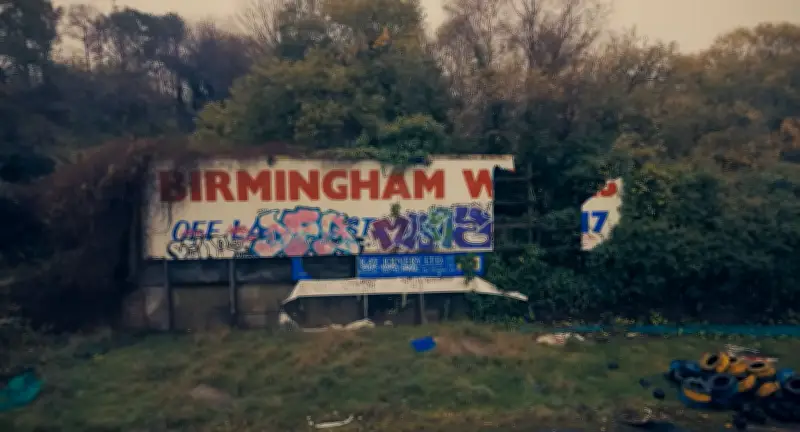
The former Wheels Park go-karting track in Bordersley Green, which closed in 2021, currently resembles a zombie movie set, with old tires strewn across dusty concrete and an abandoned building with broken windows. But Wagner's vision is to replace the cracked concrete with pristine turf, surrounded by a vibrant new community. On non-match days, the stadium would host “world-class concerts” and NFL games.
Local Leaders Respond with Cautious Optimism
Richard Parker, a regional leader, hailed the stadium designs as an “incredible moment” for the city when they were unveiled at a regional investment summit in October. He described the project as a “blueprint” for public-private partnership, promising “new jobs, new homes and new hope.” Harris Khaliq, councillor for the neighbouring ward of Wards End, agrees the opportunity is huge but acknowledges the weight of expectation. “In many ways, people are looking up to them [Knighthead] to be the saviour — to live up to the name and truly be the Knight-head for this part of Birmingham,” Khaliq said.

However, some residents are sceptical. Khaliq warns that Knighthead must work hard with the community to avoid the Sports Quarter becoming another HS2-style project that “promised the world” but delivered “years of disruption” with little clear benefit. East Birmingham has some of the worst deprivation in the UK, with nearly 40% of children living in absolute poverty.
A Test of Delivery in a Deprived Area
The 2031 delivery date is, in Wagner's own words, “lunacy,” reflecting an American optimism that may clash with the UK's planning system. Yet the project's potential to transform a community that has long cried out for investment is undeniable. The challenge will be ensuring that the promises translate into tangible improvements for local residents.
As the club moves forward, the focus will be on community engagement and delivering on the ambitious promises. The success of “The Powerhouse” will be measured not just by the stadium's completion, but by whether it brings lasting benefits to east Birmingham.