West Midlands mayor Richard Parker has defended an overhaul of scrutiny functions, which critics have branded 'Orwellian' and a move towards 'talking shops', as the Combined Authority seeks to better hold decision-makers to account.
New Scrutiny Committee Approved
The West Midlands Combined Authority (WMCA) Board has agreed to completely restructure its scrutiny framework, merging the existing Overview and Scrutiny Committee and the Transport Delivery Overview and Scrutiny Committee (TDOSC) into a single Local Scrutiny Committee. This new body will comprise two councillors from each of the seven constituent councils, totaling 14 members.
Financial Savings and Legislative Alignment
The move is expected to save the WMCA nearly £500,000 over the four-year mayoral term and is being implemented ahead of new government legislation that would mandate such changes. However, some board members expressed concerns that reducing the number of scrutiny committees could weaken oversight at a time when the WMCA is gaining more powers and responsibilities.

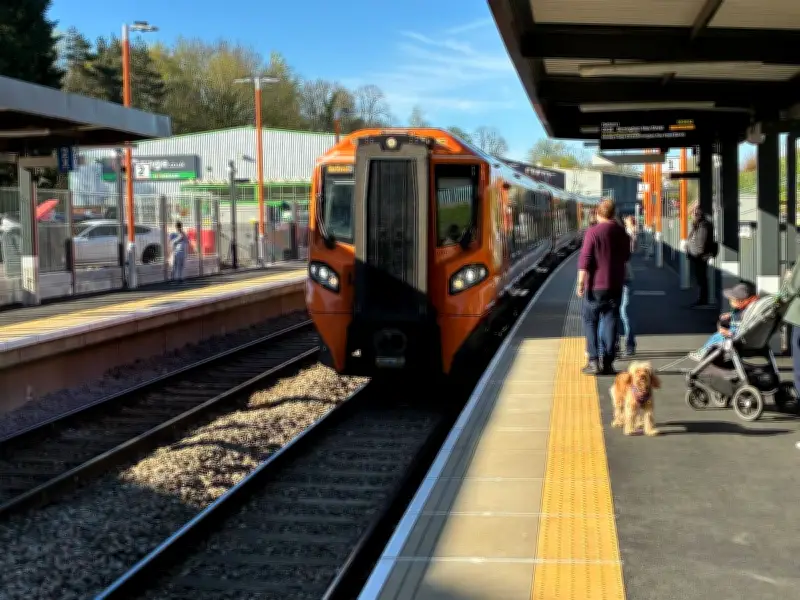
Tim Huxtable, chair of the outgoing TDOSC, noted that the existing committee had received praise in two independent reviews. But Mayor Parker countered that the current scrutiny system had failed to address critical issues, including a £120 million transport budget deficit and delays on projects like the Camp Hill line.
Criticism of 'Orwellian' Language
Birmingham City Council deputy leader Julian Pritchard voiced strong opposition, stating: "I'm not quite sure why less scrutiny is a good thing. Some of the commentary we've had almost seems to be Orwellian as in 'up is down and left is right'." He added that having one less committee would not necessarily lead to better or more scrutiny.
Solihull Council leader Karen Grinsell questioned whether a single committee could provide effective oversight across all WMCA activities, especially given the authority's expanding remit.
Mayor's Defence and Call for Seriousness
Mayor Parker emphasized that the WMCA is no longer solely a transport authority and that priorities such as housing, jobs, and skills must be considered holistically. He criticized past scrutiny for failing to raise substantive issues about budget deficits and project delays, saying: "I was gobsmacked when I got elected to inherit the £120 million deficit in the transport budget I knew nothing about."
Parker insisted that the changes are about improving effectiveness, not diminishing quality: "If anyone believes it is the right thing to do to continue to support councillors with some roles that come with additional reward for doing this role, you've got it wrong."
Commitment to Quality Scrutiny
West Midlands Deputy Mayor Stephen Simkins described the previous TDOSC as a "talking shop" that failed to address the transport deficit. Dudley Council leader Patrick Harley acknowledged reservations but stressed the need for quality scrutiny: "All the leaders need to make sure whoever they appoint to this committee attends and actually scrutinises and holds the mayor and all the decision makers to account."
The new Local Scrutiny Committee is expected to begin its work shortly, with the aim of providing more focused and effective oversight of the region's major projects and decisions.