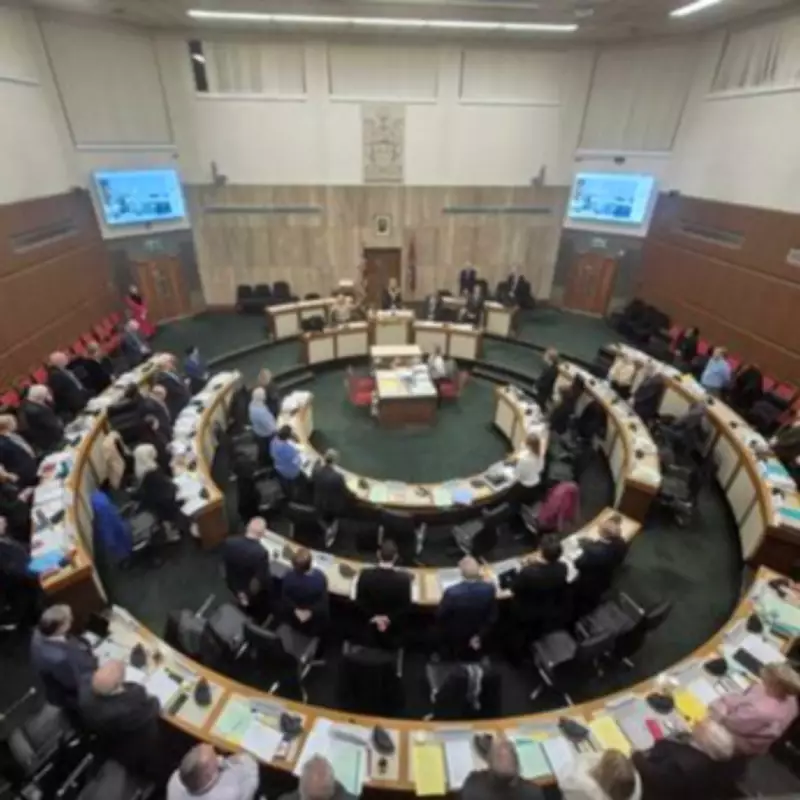
Solihull Councillors Poised for £472 Allowance Increase Following Panel Recommendation
Solihull councillors could see their basic allowance rise by more than £400, as an independent remuneration panel has recommended an increase to address concerns about recruitment and the financial burden on elected members.
The proposal, which will go to a full council vote, suggests raising the basic allowance for all 51 councillors by £472, bringing it to £13,285 per year. Councillors do not receive a salary but are given an allowance to cover duties such as attending meetings, representing residents, and handling casework.
Panel Cites Recruitment and Retention Issues
The independent remuneration panel, which councils are legally required to consult for allowance recommendations, based its proposal on a questionnaire sent to councillors. The report revealed that just over a quarter of respondents were dissatisfied with the current allowance of £12,813 for the past financial year.
Common concerns included the hours required relative to the allowance level, the impact on recruitment and retention, and personal factors like availability, abuse, and burnout. Nearly three-quarters of councillors suggested that serving as a councillor affected their financial status, including lost opportunities.
Around half believed the current allowance made it difficult for people in work, with caring responsibilities, or with low incomes to serve. The most frequently mentioned costs were travel and mileage, phone and IT expenses, and home-office setup.
Comparisons with Other West Midlands Councils
The panel also noted that it did not want Solihull's basic allowance to fall far below the average for comparable West Midlands councils, which is estimated at £14,267. This consideration played a role in the recommendation to increase the allowance.
Councillor Voices Concerns Over Deterrence
At a recent meeting of Solihull Council's governance committee, where the report was discussed, Councillor Ade Adeyemo expressed support for the increase. He stated, "Solihull has always prided itself on keeping things down and low. It doesn't matter if it costs me money I can afford it, I'm happy enough to say that. However, there are people for whom it would be a deterrent to becoming a councillor."
Ray Tomkinson, chairman of the panel, responded by noting that a similar rise had been recommended a few years ago based on the same issue. He said, "To an extent the basic allowance is already representative of that factor. The empirical evidence is that it doesn't actually make a great deal of difference. I'm not conscious that actually increasing the allowance more than perhaps is justified to make that attraction to become a councillor actually works."
Next Steps and Final Decision
The governance committee agreed on March 25 to forward the panel's recommendations to the full council for a final decision. This move marks a critical step in addressing the financial challenges faced by councillors and aims to make the role more accessible to a diverse range of residents.
If approved, the increase would take effect in the upcoming financial year, potentially easing the burden on councillors and encouraging more community members to consider standing for election.