British-Born Woman Left Stranded in Spain After New Border Rules Block Re-Entry
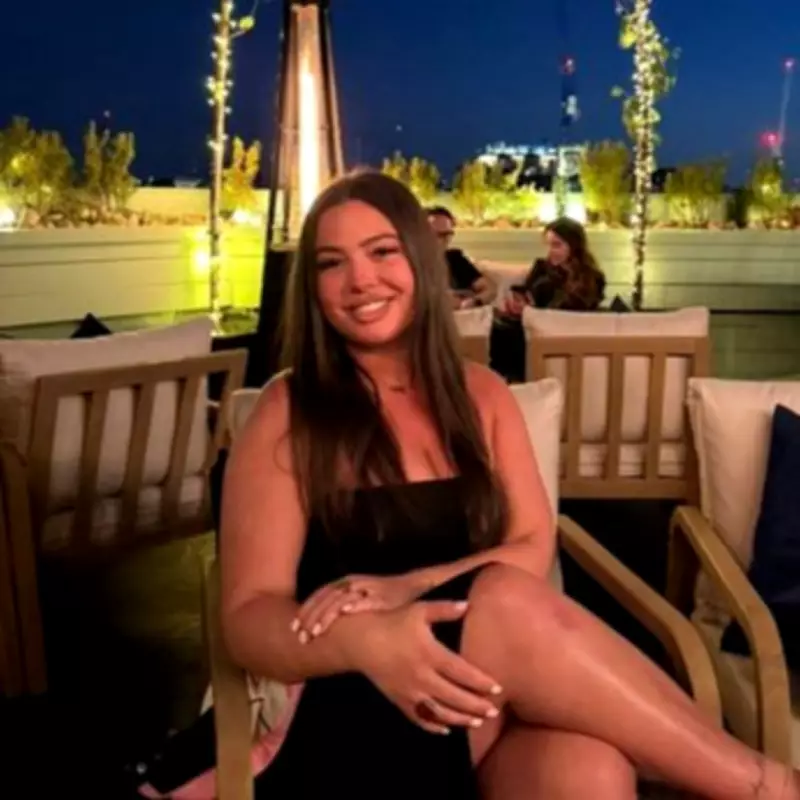
A British-born woman has been left stranded in Spain after being prevented from returning to the United Kingdom due to recently implemented border regulations. Natasha Cochrane De La Rosa, 26, was denied boarding on a return flight from Amsterdam to Luton Airport, highlighting the impact of new Home Office rules on dual nationals.
Gate Refusal Despite Clearing Initial Checks
On April 6, 2026, Natasha successfully passed through check-in, security, and passport control at Amsterdam Airport, only to be turned away at the gate of her homeward flight. The airline staff informed her that revised regulations, introduced on February 25, 2026, now require dual nationals to present either a British or Irish passport or a digital certificate of entitlement to enter the UK. Natasha, traveling with a Spanish passport, did not possess the required documentation.
"I was born in Islington, I have paid taxes, I have voted. I am a dual national I do have British nationality but the government are saying none of that I have lived for 26 years matters anymore," Natasha explained from Spain, where she is currently staying with a family friend after securing an alternative flight from Amsterdam to Seville.
Complex Citizenship Situation Creates Legal Grey Area
Natasha was born and raised in Islington, North London, to a British father and a Spanish mother. However, because her parents were not married at the time of her birth in 1999, her father was unable to automatically transfer his British citizenship to her. This has placed her in what she describes as a "grey area" regarding her nationality status.
To return home, she now faces two challenging options:
- Apply for a British passport, which requires proving her mother held free movement rights across the EU at the time of her birth—documentation she says she never obtained and is difficult to locate after 26 years.
- Pay £589 for a digital certificate of entitlement, which also demands the same proof and could take between three to six months, or potentially up to a year, to process.
Criticism of Government Communication and System Design
Natasha expressed frustration with the lack of effective communication about the rule changes. "I feel the government have failed and they have a responsibility to dual nationals and the population of the UK that such dramatic and important law changes are effectively communicated," she stated.
She emphasized that while she takes some responsibility for not checking the new requirements, she had no reason to suspect changes after 26 years of traveling without issue. "The system is poorly designed and offers no support or understanding for citizens like myself who do not hit the check box but are still a British citizen," she added.
Home Office Response and Broader Context
A Home Office spokesperson confirmed the policy, stating: "Since 25 February 2026, all dual British citizens need to present either a valid British passport or Certificate of Entitlement when travelling to the UK." They noted that public information has been available since October 2024 and that similar requirements exist in countries like the United States, Canada, and Australia.
Natasha's case underscores the practical difficulties faced by individuals with complex citizenship backgrounds following Brexit and subsequent immigration reforms. Her situation has drawn attention on social media, with others commenting that they might be in similar positions without prior awareness.
Currently working as a client success manager based in Haringey, North London, Natasha remains in limbo, navigating bureaucratic hurdles to prove her mother's historical residency status while separated from her life in the UK.