That flickering light you have been ignoring, or the socket that buzzes intermittently, might appear harmless. However, experts caution that these everyday electrical nuisances could be early warning signs of far more dangerous hazards, including fire risks and electric shocks. Small faults can escalate quickly if left unchecked, and with homes relying more heavily on electricity than ever before, specialists are urging people to address problems promptly.
Homeowners Delay Electrical Repairs
New research from NICEIC, the electrical contracting industry's voluntary body, reveals that many homeowners are taking risks with their electrical safety. Approximately 22% of homeowners admit they tend to put off dealing with issues such as tripping electrics, flickering lights, or broken switches. The same proportion said they had not had their electrics checked by a professional in more than a decade, while 16% were unsure if their home had ever been inspected.
Paul Collins, technical director at NICEIC, stated: “Ignoring electrical faults can allow relatively minor issues to develop into much more serious problems. Faulty wiring or overheating connections can increase the risk of electric shock, electrical fires and damage to your property.”
Relevance to UK Housing Stock
The warning is particularly relevant in the UK, where much of the housing stock is older and wiring is often hidden behind walls. According to Electrical Safety First, a charity aiming to reduce deaths and injuries caused by electrical accidents, this means problems can go unnoticed until they become serious. Luke Osborne, the charity’s technical director, said: “Undetected faults can, over time, turn a small inconvenience into a serious fire or electric shock risk.”
Warning Signs to Watch For
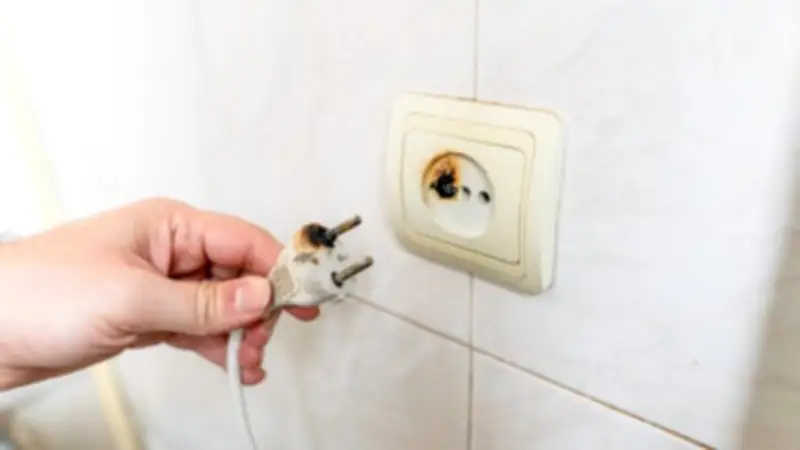
Experts have identified several red flags that could indicate a problem. These include a burning or fish-like smell from plug sockets, often a sign of overheating, as well as sockets that appear discoloured or yellowed. Other signs to watch for include:
- Lights that flicker or dim unexpectedly
- Electrics that trip regularly or fuses that frequently blow
- Buzzing sounds from switches or sockets
- Scorch marks or plug sockets that feel unusually warm
“If you’re experiencing any of these telltale signs, we always recommend contacting a registered electrician,” Osborne said. Collins added that these issues are often linked to ageing systems, overloaded circuits, or faulty installations, and rarely resolve on their own.
Hidden Faults Pose Greater Risks
One of the biggest risks is that many electrical faults are hidden. Wiring runs behind walls, under floors, and above ceilings, meaning issues can develop out of sight. “Problems are often invisible until warning signs appear, and sometimes there are no obvious signs at all,” Collins explained. To properly assess a home’s electrical safety, experts recommend an Electrical Installation Condition Report (EICR) carried out by a qualified electrician. Described as “like an MOT for your home,” an EICR checks the condition of wiring, sockets, switches, and other key components to identify any damage or deterioration.
Low Awareness and DIY Dangers
Despite the risks, awareness remains low. NICEIC found that nearly half of homeowners (49%) are not confident they could spot a dangerous electrical fault, while 69% have never heard of an EICR. At the same time, 24% admitted trying to fix electrical issues themselves, something experts strongly warn against. “DIY electrics are never worth the risk,” Collins said. “If something goes wrong, there can be serious consequences for both your property and your safety.” With modern homes increasingly dependent on electricity—from everyday appliances to smart technology and EV chargers—experts say regular checks are more important than ever. “Many electrical issues develop gradually and remain hidden,” Collins added. “Having your electrics inspected regularly is one of the most effective ways to keep your home safe.”