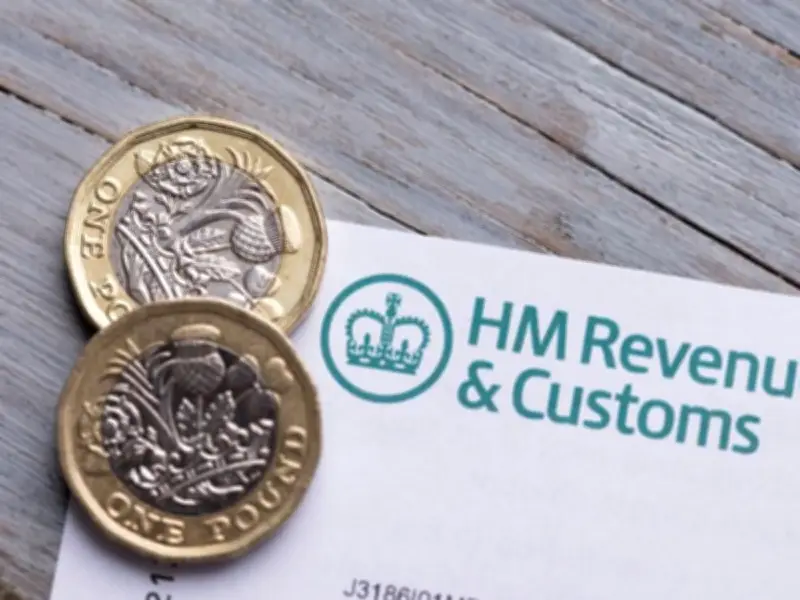
HMRC is handing taxpayers a backdated £13,830 personal tax-free allowance. Under the Labour Party government, the Personal Allowance is frozen at £12,570 until 2031 at the earliest. However, couples who are married or in a civil partnership can increase their tax-free take-home pay by £252 per year and backdate their claim for four more years, boosting the allowance to £13,830.
How the Marriage Allowance Works
AJ Bell director of personal finance, Laura Suter, explained: "More people are being dragged into paying higher levels of tax, largely due to frozen allowances and thresholds that haven't kept up with inflation. But at the same time, many households are overlooking completely legitimate ways to earn tax-free income, simply because they don't realise what's available."
The marriage allowance allows one partner to transfer up to £1,260 of their unused personal allowance to their spouse or civil partner, provided the recipient earns no more than £50,270 a year. This can save up to £252 in the current tax year. Claims can be backdated for up to four years if eligibility criteria were met during those years.

Eligibility and Claiming Process
To qualify, one partner must earn less than £12,570 (or have no income), while the other must earn between £12,571 and £50,270. Even if one partner is retired, they can still claim. It is estimated that around two million eligible couples are not claiming this tax break.
Claims can be made online via the official government website. Applicants need their own and their partner's National Insurance numbers and some forms of ID. A government calculator is available to check eligibility. Suter warned: "Beware of scam websites that are mocked up to look like the government website but are actually imposters."
Impact of Frozen Allowances
The frozen personal allowance at £12,570, combined with rising inflation, has dragged more people into higher tax brackets. The marriage allowance offers a legitimate way for couples to reduce their tax burden, with potential savings of up to £1,260 over four years if backdated claims are made.