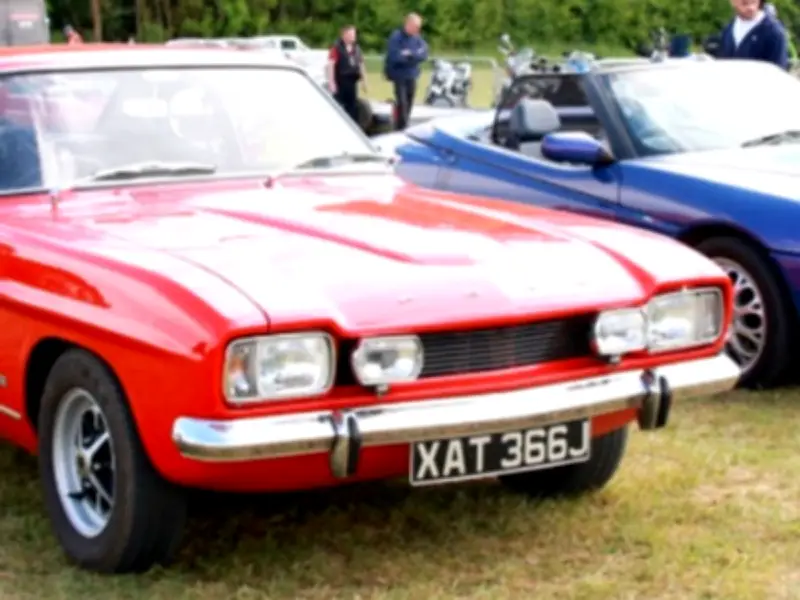
Motoring experts are warning that thousands of drivers across the UK are paying vehicle tax they no longer owe. DVLA figures obtained by Heritage Car Insurance reveal that as many as 24,000 classic vehicles built in 1984 and 1985 could still be taxed, despite qualifying for the historic vehicle exemption. According to The Telegraph, around 20,000 owners could be handing over up to £375 a year for road use unnecessarily.
The scale of the problem
Mark Wilkinson of Heritage Car Insurance, which obtained the figures, said: “We were surprised by just how many owners are still being taxed as though their vehicles were brand new. The historic tax class exists precisely for cars like these, but it isn’t applied automatically, so if you don’t know to ask, you keep paying.”
The numbers highlight a widespread lack of awareness. Vehicles that have reached their 40th birthday are eligible for the historic vehicle tax class, but only if the owner applies. The DVLA does not automatically update records, which leaves many classic car owners unknowingly paying Vehicle Excise Duty (VED) every year.

Who qualifies for historic vehicle tax exemption?
Historic vehicles are defined by the DVLA as cars, vans, and motorcycles that are at least 40 years old. Once a vehicle is officially registered as historic, the owner no longer needs to pay vehicle tax. This exemption applies from the start of the financial year after the vehicle’s 40th birthday.
For example, a car built in 1985 would have turned 40 in 2025. Depending on its exact registration date, the owner may have to wait until the next financial year before the exemption takes effect. Until then, tax must still be paid.
Heitor Mazzotti, creator of a petition on the issue, added: “Keeping a functional 20-year-old car on the road is often greener than building a new one, as it preserves the embedded carbon already spent. Current VED rates force many well-maintained cars to be scrapped prematurely.”
Why are so many still paying tax?
The most common reason is simply that the historic tax status is not applied automatically. Owners must submit a formal application to the DVLA to have their vehicle reclassified. Without this step, the DVLA continues to issue tax reminders and collect fees as usual.
Many motorists may not realise that the exemption must be claimed. Others may have lost the paperwork or never received a V11 reminder. The process, however, is straightforward and can be done by post with just a few documents.
How to apply for the exemption
Applying is a simple process, but you will need to prepare a few documents first. Gather the following:
- Your log book (V5C) in your name. If you don’t have it, you can complete a V62 application form by post.
- Your vehicle tax reminder letter (V11), if you have one.
- Evidence of your vehicle’s MOT history or your MOT certificate. For vehicles exempt from MOT, provide a V112 form.
Once you have these, follow these steps:
- Check that your vehicle is at least 40 years old and has reached the relevant financial year.
- Complete the application for historic vehicle tax status, providing your V5C and supporting evidence.
- Send the application by post to the DVLA.
- Wait for the DVLA to process your application and send you an updated V5C logbook confirming the historic tax class.
After approval, you will no longer need to pay vehicle tax on the vehicle. The updated logbook is your proof that the vehicle is in the historic tax class.
Savings and benefits of historic status
The financial benefit is clear: up to £375 per vehicle can be saved each year. For owners of classic cars built in the mid-1980s, that is a significant amount, especially when combined with other classic car insurance savings. Additionally, older vehicles may become exempt from MOT testing, further reducing running costs.
The environmental argument, raised by campaigners like Mazzotti, adds another reason to keep older vehicles on the road. Manufacturing a new car involves a considerable carbon cost, so preserving a well-maintained classic can be a greener choice.

What to do now
If you own a car, van, or motorcycle that is 40 years old or older and you are still paying vehicle tax, check whether it has been classified as historic by the DVLA. If not, gather your documents and apply for the exemption. It could put hundreds of pounds back in your pocket every year.