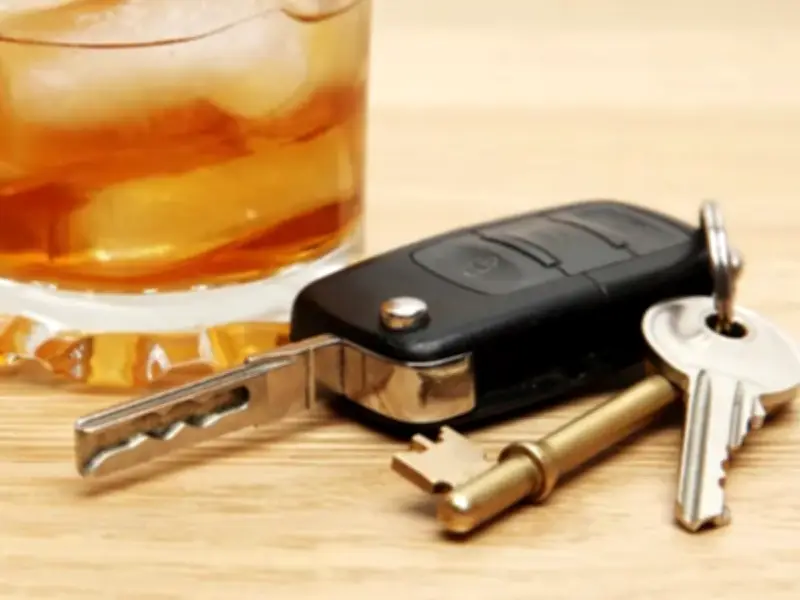
Lower Drink-Drive Limit Proposed for England and Wales
The new Prime Minister Andy Burnham is now in a position to decide on a proposed reduction of the drink-drive limit in England and Wales, following the publication of a Road Safety Strategy earlier this year by the previous Starmer administration. The strategy, released in January, targets a 65% reduction in deaths and serious injuries on UK roads by 2035, and one of its central proposals is lowering the legal blood alcohol concentration (BAC) limit from 80mg per 100ml to 50mg per 100ml—matching the stricter limit already in place in Scotland.
Currently, the limit of 80mg per 100ml of blood is the highest in Europe. Official figures indicate that one in six road fatalities in 2023 involved drink driving, underscoring the urgency of reform. The Department for Transport (DfT) will also consult on requiring alcohol interlock devices for convicted drink drivers. These devices prevent a vehicle from starting if alcohol is detected in the driver's breath, acting as a preventative measure after an offence.
Prime Minister's Role and Key Appointment
After succeeding Sir Keir Starmer, Prime Minister Andy Burnham now holds the authority to act on the consultation. In his first Cabinet reshuffle, he re-hired Heidi Alexander as Transport Secretary. Ms Alexander has previously expressed her commitment to improving road safety and collaboration with transport bodies. She stated: "Every life lost on our roads is a tragedy that devastates families and communities. For too long, progress on road safety has stalled. This strategy marks a turning point. We are taking decisive action to make our roads safer for everyone, from new drivers taking their first lessons to older motorists wanting to maintain their independence. The measures we are announcing today will save thousands of lives over the coming decade."

Support from Road Safety Groups
The proposal has garnered support from motoring organisations. Simon Williams, head of road policy at the RAC, commented: "Drivers tell us they strongly support more being done to cut the harm caused by drink and, increasingly, drug-drivers – and this includes reducing England's drink-drive limit, with only one-in-five drivers thinking it should remain as it is." This suggests public opinion may be favourable to change, as the current limit has been unchanged since 1967.
The adoption of Scotland's 50mg limit would align England and Wales with most European countries, where limits typically range between 50mg and 50mg. According to the DfT, the consultation will also explore other measures such as increased penalties and improved enforcement. The move is part of a broader effort to reverse the stagnation in road safety improvements seen in recent years.
Impact on Road Safety Targets
If implemented, the lower limit could contribute significantly to the 65% reduction target. The government estimates that the strategy as a whole could save thousands of lives over the next decade. The RAC has emphasised that drink-driving remains a major factor in fatal crashes, and reducing the limit is a proven deterrent in other countries. The consultation is expected to proceed under Transport Secretary Heidi Alexander, with a decision from Prime Minister Burnham anticipated later this year.