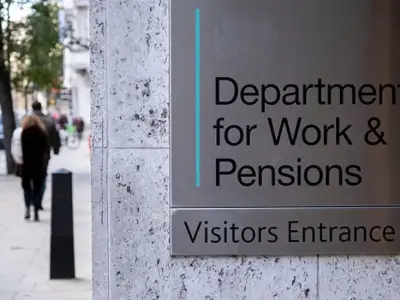
Government Overhaul of PIP Announced
The Department for Work and Pensions (DWP) has confirmed a series of 'improvements' to Personal Independence Payments (PIP) under the leadership of newly appointed Prime Minister Andy Burnham. In a recent statement, Burnham emphasised that the government must 'get serious' over welfare reform, signalling a major shift in disability benefit policy.
Timms Review Spurs Changes
The changes come as Sir Stephen Timms, co-chair of the review into PIP, issued an update following an interim report that deemed the incapacity and disability benefit 'not fit for purpose'. The Timms Review is expected to deliver its final recommendations soon, but interim measures are already being implemented to address systemic delays and inefficiencies.
Responding to a parliamentary question from Liberal Democrat MP Liz Jarvis (Eastleigh), Sir Stephen Timms provided detailed data on appeal waiting times. He stated: 'The mean and median waiting time between a Personal Independence Payment (PIP) appeal being lodged and the Department submitting its response to HM Courts and Tribunals Service (HMCTS), for initial clearances and award review clearances in the calendar year 2025, was 5 weeks.'

Appeal Delays Under Scrutiny
Ms Jarvis had asked two key questions: first, the average time between a PIP appeal and the DWP's response to HMCTS; and second, the average time until a tribunal hearing date is set. While Timms provided the 5-week figure for the first, he noted that the DWP does not hold data on hearing dates, as that falls under HMCTS jurisdiction. However, he outlined steps to reduce delays in Eastleigh and across the UK.
Key Improvements to PIP System
Sir Stephen Timms listed several concrete measures being taken to improve the PIP process:
- Increased resources to handle appeals, including redeploying staff and offering overtime.
- Streamlined appeal writing through improved software that integrates better with other DWP computer systems.
- Enhanced training for decision-makers to ensure the right decision is made earlier in the claim journey, reducing the need for appeals.
These measures aim to address the backlog of appeals and ensure claimants receive timely support. Timms emphasised: 'We are increasing resources available for writing appeal responses by redeploying staff and making overtime available. We are also looking to make appeal writing more efficient by improving the programme that decision makers use. The improved tool will integrate better with other DWP computer systems, which will make it faster and easier to use than the current process.'
Long-term Vision for Welfare
Prime Minister Burnham has indicated that these changes are just the beginning of a wider welfare overhaul. The government is committed to making the benefits system more responsive and fair, particularly for disabled individuals who rely on PIP. The Timms Review is expected to provide further recommendations on structural reforms, including potential changes to eligibility criteria and assessment processes.
As the DWP implements these improvements, claimants and advocacy groups are watching closely. The reduction in appeal waiting times is a positive step, but many argue that more fundamental changes are needed to ensure the system adequately supports those with long-term health conditions and disabilities.