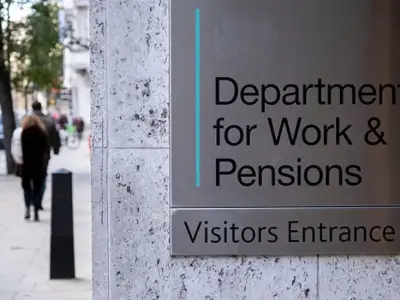
Prime Minister Andy Burnham has confirmed that Department for Work and Pensions (DWP) benefits claimants could lose their payments by 2029 as part of a crackdown on the number of young people not in education, employment, or training (NEETs). The Labour government plans to reduce the NEET population, estimated at one million nationwide, with changes to the education system described as “long overdue”.
Burnham’s mission to reduce NEET numbers
Speaking on Tuesday during a visit to Derby, the Makerfield MP stated he is “on a mission” to tackle the NEET crisis. Mr Burnham, formerly the Mayor of Greater Manchester, said the current system is “just not right” because it makes young people not on the university pathway feel like “second-class citizens”. He committed to lowering the number of NEETs during his time in office, though he added, “When precisely I can get there is a hard thing to say right now.”
The next UK general election must be held no later than 15 August 2029. With one million NEETs across the country, many could risk losing their DWP benefits if they do not engage with education, employment or training under the reforms.

Reforms aim to give hope to young people
Mr Burnham emphasised that the reforms “brings hope to a lot of young people” who “know the education system is not built for them”. The changes are intended to prevent the next generation from becoming NEETs by providing stronger technical and vocational education pathways.
However, the plans have drawn caution from opposition parties and education leaders. Liberal Democrat education spokeswoman Munira Wilson said the reforms “must come in with built-in safeguards to allow young people the flexibility to retrospectively change direction and move between academic and technical”. She warned, “We must not allow these changes to predetermine children’s futures at just 14, baking in disadvantage.”
School leaders seek clarity on funding
Paul Whiteman, general secretary of the NAHT school leaders union, welcomed the ambition but called for more detail. “We welcome the ambition to strengthen technical and vocational education… However, this announcement sets out a direction of travel rather than detailed proposals, and schools will need much greater clarity about what it means in practice and over funding,” he said.
The government’s push to reduce NEETs is part of broader welfare reforms aimed at increasing employment and reducing long-term benefit dependency. With the 2029 deadline, ministers will need to develop concrete policies and secure funding to achieve the target.