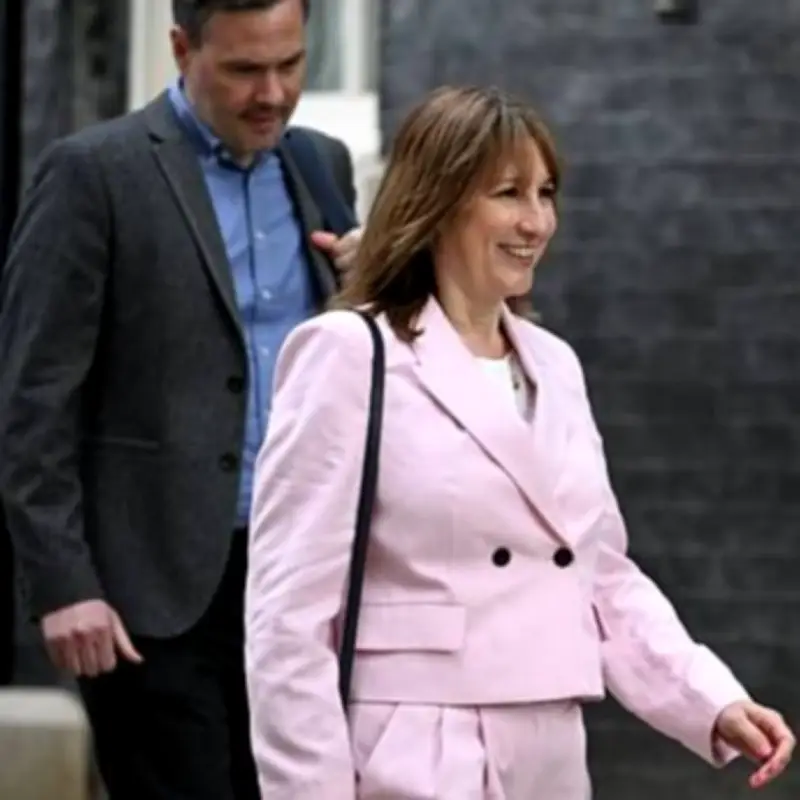
Chancellor Rachel Reeves is planning a controversial 22 per cent tax charge on interest earned from cash held in stocks and shares Individual Savings Accounts (ISAs), a move critics have labelled the 'worst possible' for savers. The reforms are set to take effect from next April.
Details of the New ISA Tax Regime
Under the proposed changes, savers under the age of 65 will see their cash ISA limit slashed to just £12,000 from April 6, 2027. However, they will retain their full £20,000 ISA allowance through a stocks and shares ISA. The Chancellor confirmed the move in her Budget last year, aiming to boost UK investment, but details of how the new regime would operate have remained scarce until now.
Expert Warnings
Charlene Young, a pensions and savings expert at AJ Bell, has strongly criticised the plan. She warned: 'Labelling a 22% tax as a charge is not going to pass the smell test with investors and rides roughshod over the tax-free wrapper status of ISAs.'

Young added: 'ISAs are well-loved throughout the UK because they’re relatively easy to understand. But rather than build upon this, the government appears intent on introducing extra complexity and red tape into the system.'
Impact on Savers and Investors
The expert highlighted that the tax charge would be especially damaging for new or prospective investors looking to enter the markets. 'It’s hard to think of a worst first impression than a tax charge on what is supposed to be a tax-free wrapper. Rather than empower a new generation of retail investors – the government’s supposed ambition – it risks giving them an investment ick at the first hurdle,' she said.
Young also pointed out that the policy would affect investors who have built up an ISA portfolio and are looking to de-risk into cash as they prepare to use it towards a particular goal. She gave an example: 'Take the example of a family member looking to help a child with university costs that can easily top £60,000. If they are moving ISA holdings to cash on the approach to the child turning 18, they could face a nasty tax surprise on any interest received.'
Additional Concerns
Payments into ISAs must be made in cash before the money can be invested. Young noted: 'It’s a sensible move for ISA investors to bank their ISA allowance in cash and then pause if they’re considering their investment options, while others might hold an element of cash as part of a portfolio strategy or to pay fees and charges.' The new tax could complicate these strategies.
The announcement has sparked widespread concern among savers and financial experts, with many calling for the government to reconsider the plans to avoid undermining the popularity and simplicity of ISAs.