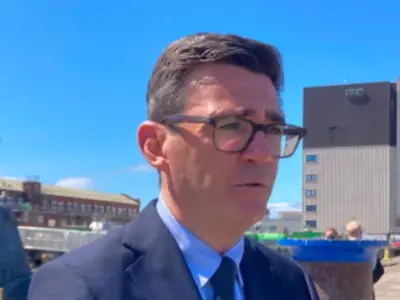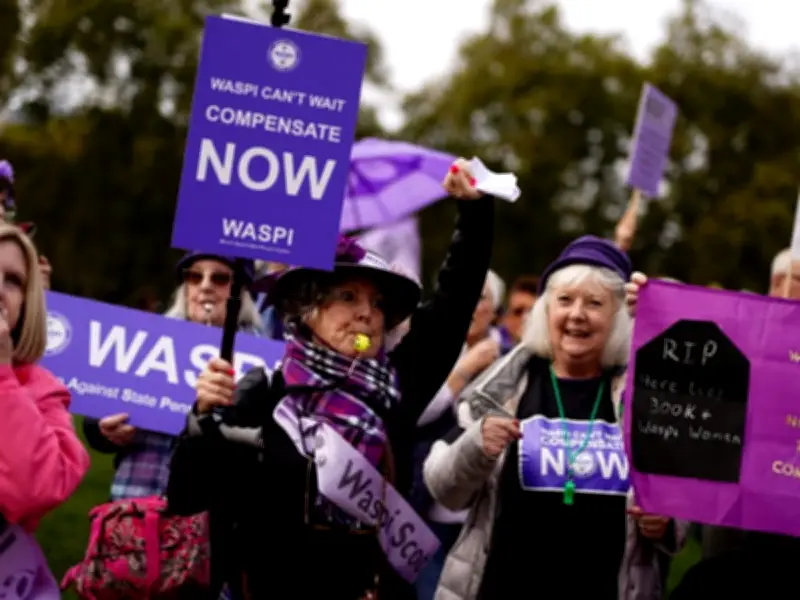
The Women Against State Pension Inequality (WASPI) campaign has intensified pressure on Prime Minister Andy Burnham to deliver a "fair settlement" for women affected by changes to the state pension age. Campaigners are demanding a meeting date and concrete action, following a promise made by Burnham before his election.
Background: The 2007 DWP Evaluation and Ombudsman Report
The demand comes after a previous government decision not to offer redress was reviewed, prompted by the rediscovery of a 2007 Department for Work and Pensions (DWP) evaluation. This evaluation led to officials stopping the automatic sending of pension forecast letters. In 2024, the Parliamentary and Health Service Ombudsman (PHSO) found that WASPI women were mistreated and recommended a compensation scheme worth up to £2,950 per affected individual.
Under the previous government led by Sir Keir Starmer, the decision was made to refuse compensation. This refusal was repeated even after the case was revisited last year. Now, with Andy Burnham in No10, the campaign sees a new opportunity for justice.

Campaigners' Urgent Call to Action
In a strongly worded statement, the WASPI campaign highlighted Burnham's pre-election promise: "When Waspi met Andy Burnham before his election he promised to meet with us to discuss proper redress for the DWP maladministration and the harm it caused. No more delay. We want a date and a fair settlement."
The statement continued: "Words don't change anything. Action does. Andy Burnham knows WASPI women were failed. He is now the one person who can put this right. We were promised a meeting. No more delay - we want a date, and a fair settlement."
Government's Previous Stance and Rationale
Earlier this year, Work and Pensions Secretary Pat McFadden defended the refusal, stating: "The evidence shows that the vast majority of 1950s-born women already knew the state pension age was increasing thanks to a wide range of public information, including through leaflets, education campaigns, information in GP surgeries, on TV, radio, cinema and online."
McFadden argued that a wider flat-rate scheme "would simply not be right or fair" and that compensating only those who suffered injustice "would require a scheme that could reliably verify the individual circumstances of millions of women."
Ombudsman's Compensation Recommendation
Contrary to the government's position, the PHSO report suggested that compensation ranging from £1,000 to £2,950 could be appropriate for each affected woman. This recommendation was based on the finding that maladministration in communicating state pension age changes caused distress and financial loss.
The WASPI campaign argues that the government has a moral obligation to act on this recommendation, especially given the new leadership's apparent willingness to engage.
What Happens Next?
As the campaign intensifies, all eyes are on Prime Minister Burnham to see if he will honour his promise and schedule a meeting with WASPI representatives. The outcome could have significant implications for hundreds of thousands of women born in the 1950s who were affected by the pension age changes.
The campaign remains resolute, insisting that only concrete action will satisfy their demands. With the weight of the Ombudsman's findings behind them, they are pressing for a resolution that acknowledges the harm caused and provides fair compensation.