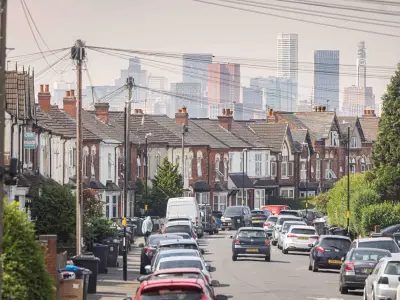
The government has confirmed it is watering down restrictions on building new homes in the back gardens of existing properties, a move designed to support the target of 1.5 million new homes by the end of the decade. The change, reported by the Telegraph, will relax current limits on the size and appearance of homes built in private gardens.
Under existing rules, new dwellings must not occupy more than twice the footprint of the existing buildings on a site, and at least half of the previously undeveloped part of a plot must be left unbuilt. The new approach will allow larger buildings where appropriate, or where the development would not be visible from the street frontage, overriding the current requirement that new homes be “consistent with the overall street scene”.
Devolution and planning powers
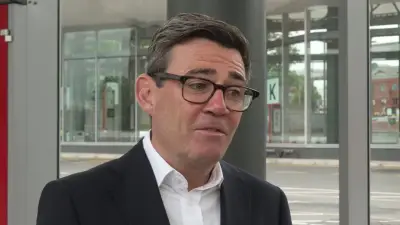
The move comes as Andy Burnham prepares to give mayors new powers to take control of local planning decisions and greenlight large-scale developments. Proposals are expected to be presented this week, according to the Sunday Times.

Burnham said: “Sometimes … challenge does need to be made to local decision-making, and actually it cuts both ways. It’s not all about nimbyism. Sometimes it’s the other way round. It’s a local authority putting forward something that’s unacceptable in terms of the impact on the community … so it’s a two-way street.”
Political reaction
The Liberal Democrats have criticised the move as a “direct attack” on residents. Gideon Amos, the party’s housing and planning spokesperson, said: “Taking powers away from communities and local councillors is taking powers away from local people. This plan is a direct attack on communities across the country. Labour’s chaotic patchwork approach to devolution will simply not work to solve the housing crisis. Instead of silencing residents and handing mayors a blank cheque, the government should be empowering local councils with the resources to deliver genuinely affordable homes alongside the infrastructure to support them.”
Sir James Cleverly, the Conservative shadow housing secretary, also condemned the changes. He said: “Labour have doubled down on their all-out assault on the green belt, and now they are returning to garden grabbing. Blocks of flats are set to be crammed into the suburbs, eating up green space and fundamentally altering the character of local communities. Andy Burnham and Angela Rayner talk about devolution, but their top-down approach to development will mean local councils are overruled by Whitehall and local residents are ignored. Britain needs more family homes with gardens, not fewer. The Conservative Party are the only party that will deliver the homes we need while respecting local democracy.”
Government response
A spokesman for the Ministry of Housing, Communities and Local Government defended the changes, stating: “We have made changes which recognise that in many places, there is potential for more development, to support thriving neighbourhoods, improve access to jobs and services, and make the best use of land within our towns and cities. Our changes will help more homes to be built where they are needed, while stopping unsuitable development. Local people will still be able to have their say, and councils must take those views into account.”
The changes are part of a broader effort to accelerate housebuilding across England, with the government arguing that more flexibility in garden development is necessary to meet housing demand. The new rules will apply to planning applications across the country, with local authorities expected to implement them once the legislation is formally introduced.