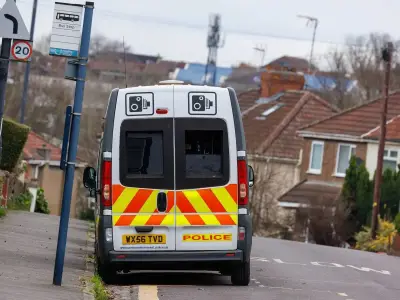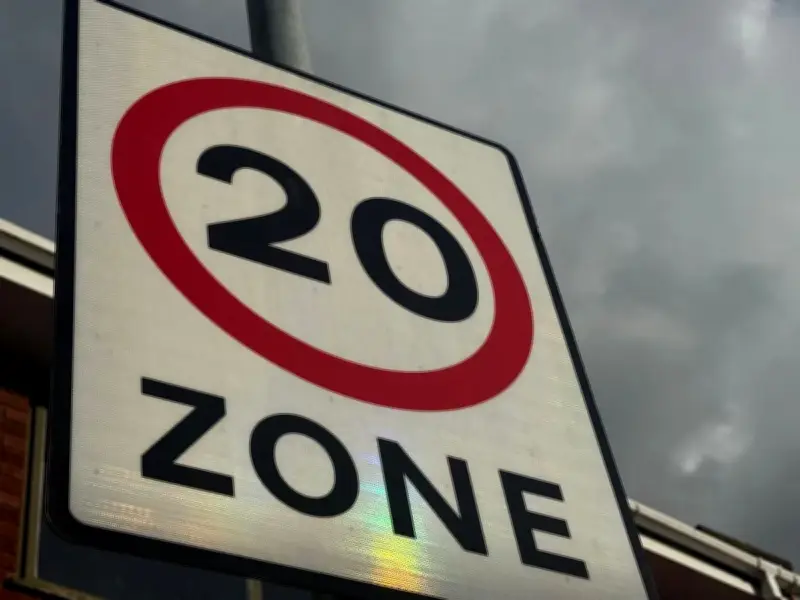
Councillor Shehryar Kayani, representing Glebe Farm & Tile Cross, has publicly opposed Birmingham City Council's proposal to introduce 20mph speed limits on "all local roads", calling the blanket approach "not the answer for road safety". He has launched a petition urging the council to prioritise road maintenance and publish evidence on the impact of existing restrictions.
Councillor's Concerns Over Blanket Speed Limits
Speaking to BirminghamLive, Councillor Kayani said he strongly supports safer roads but believes the council's plans to enforce a 20mph speed restriction across the city are misguided. He is calling for the council to "publish clear evidence" demonstrating how "current and proposed 20mph restrictions are improving road safety, reducing collisions and affecting journey times and collisions."
The councillor criticised the decision to invest in speed limits rather than infrastructure, stating: "Instead of investing the money on the roads, fixing the potholes, putting in enough cameras, and making road signs and lanes more visible, the Council decided to put a 20mph blanket all across the city. This is not acceptable at all. It doesn't make sense."

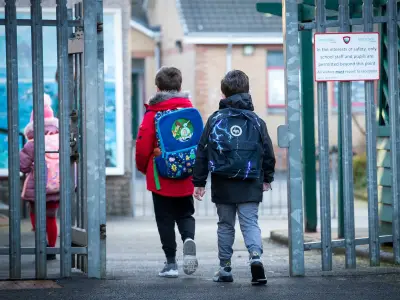
While he agreed that lower speed limits near schools or high streets are sensible, he added: "All across the city, 20mph is not an answer for road safety." He noted that speed limits on dual carriageways were already reduced from 40mph to 30mph about a year ago, yet drivers of racing cars or uninsured vehicles still drive at 40, 50, or 60mph in 30mph zones. Asked if lowering limits would change driving behaviour, his answer was clear: "Not really, no."
Comparison with Other Towns and Impact on Residents
Councillor Kayani pointed to other towns as examples of better practice: "Dropping 30mph to 20mph is not an answer. If you go to Leamington, Warwick, or Bromsgrove, look at the roads there. They're much safer." He claimed that "a lot of people in his ward" do not support the proposal, alleging that taxi drivers and other residents would be negatively impacted as the limit would "add more time to their journeys."
In response to the council's proposal, Councillor Kayani launched a petition titled "Fix Birmingham's roads and deliver a balanced approach to road safety". The petition asks the council to "ensure that investment in road maintenance and repairs keeps pace with changes to speed limits and wider transport policies."
Petition Demands and Council Response
The councillor said the "first thing" he would like addressed is potholes, along with the issue of "cars parked illegally on roads". He added: "Instead of doing this 20mph, send your [Birmingham City Council] officers to my ward and other wards as well. We need more enforcement officers on the road to prevent this double parking and all these issues. We need to address these basic issues first."
Writing in his petition, Councillor Kayani stated: "Rather than applying a blanket approach, we believe speed limits should be evidence-led and appropriate to the individual road. We are not asking Birmingham City Council to compromise on road safety. We are asking for a comprehensive approach that tackles the condition of our roads alongside speed, traffic and road-user behaviour." He concluded: "Birmingham deserves safer roads, better-maintained infrastructure and a transport policy based on evidence, fairness and value for money."
The petition lists specific demands to Birmingham City Council, including increased investment in repairing roads and pavements, publishing transparent data on the impact of 20mph restrictions on collisions, casualties, traffic flow, journey times and emissions, proper consultation with residents, businesses, motorists, cyclists, pedestrians and emergency services, developing a balanced road-safety strategy, reviewing 20mph restrictions to ensure they are proportionate and evidence-led, and prioritising dangerous potholes and deteriorated road surfaces.

A spokesperson for Birmingham City Council responded: "By introducing 20mph limits in residential neighbourhoods and local centres, we are able to put people – rather than cars – first. Last year, there were 24 fatalities and 467 serious injuries on our roads, most with life-changing consequences. This is not acceptable and together we must do whatever it takes to make roads safer for everyone, including reducing the speed limit to 20mph on residential roads."
The spokesperson added that in 2014 the council adopted a policy that on most adopted roads in Birmingham, the speed limit should be 20mph introduced through "sign only" areas, equating to around 90 per cent of the city's roads by length, covering residential streets, local centres, near school entrances, local attractions, health centres, hospitals, and public transport interchanges. Pilot schemes were planned for the city centre and areas to the east and south, covering about a third of the city, but due to the relatively high cost of area-based schemes, the rollout has been done on a more targeted basis in response to local concerns or near schools.
The spokesperson concluded: "Evidence from around the world on slower speed limits is very clear: it reduces collisions, saves lives, and reduces injuries – so our message is simple, Slower is Safer. Slower speeds are less intimidating towards those who walk or cycle, activities that we need to encourage more of if we are to reduce the number of harmful emissions and traffic levels in the city."