Birmingham City Council's leader has defended the authority's 20mph speed limit policy, dismissing what he called "misinformation" and "clickbait news" as the plans sparked fierce debate locally and nationally.
The council recently confirmed in its draft Local Plan, currently under consultation, that a limit of 20mph will be "standard on all local roads" in Birmingham. The document states: "Walking and cycling will become how most people get around their locality most of the time. Cars will no longer dominate street life around homes and schools. Residential neighbourhoods and local centres will be places where people are put first."
The draft plan clarifies that 'local roads' would not include A class roads, which represent some of the "most important and busiest metropolitan" routes within the region. However, roads outside that category, such as residential streets, would be subject to the 20mph limit.

Evidence on safety impacts
The council said: "For all local roads (B and C class, and unclassified roads), 20mph speeds will continue to be implemented as part of a gradual rollout, through the delivery of the Birmingham Transport Plan. There is a significant body of evidence which proves that reducing vehicular speed limits to 20mph on local roads has a disproportionately positive impact on the incidence of fatal and serious injuries from road traffic collisions."
Reform and Conservative councillors in Birmingham have spoken out against these plans in recent days, arguing that motorists would be unfairly punished. Campaigners, such as those in Better Streets for Birmingham, have said that 20mph means "calmer, safer and easier to cross residential streets where fewer crashes happen".
Leader hits back at critics
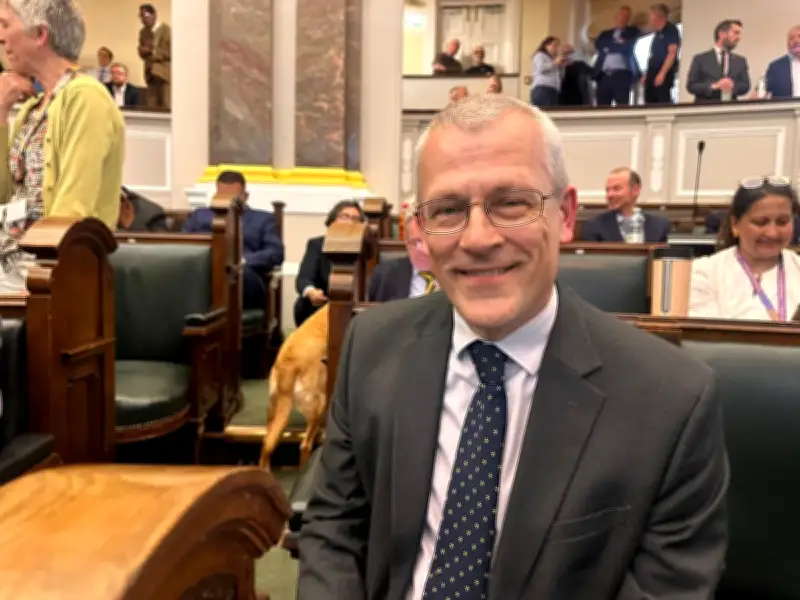
Speaking today to BBC Radio WM, Birmingham Council leader Roger Harmer defended the plans. "It isn't a new plan, nothing really has changed," the Lib Dem councillor said. "The council, for the past 14 years, has quite rightly in my view had a policy that residential roads should be, not exclusively, but the default should be 20mph. In that time hundreds, if not thousands, of residential roads across Birmingham have moved over. It's not being done as 'that's the plan and next year they're all going' – it's been as things have happened."
He pointed to his ward of Acocks Green where roads around a shopping centre were moved to 20mph following a consultation. "It's not a blanket rule," Cllr Harmer said. "We're now in a world of clickbait news. There is an element of truth in this, that we think residential roads should be 20mph and that is written into a series of council policies and strategies. But the main road network, apart from where it goes through shopping centres or past primary schools and so on, will remain 30mph."
Enforcement and safety priorities
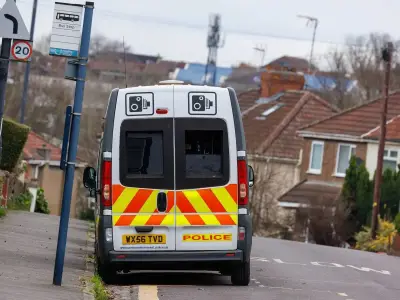
On how new speed limits would be enforced, Cllr Harmer acknowledged that Birmingham has a "huge problem" with speeding and dangerous driving. He continued that there needs to be a focus on getting average speed cameras in place, as well as cameras to tackle "red light running".
"All these things cost money but I think it just has to be a priority that we allocate part of the highways budget into enforcing the rules," he said. "Because if we don't follow the rules, we have anarchy and very dangerous roads. We see all too many serious collisions, life-changing injuries and in some very sad cases fatalities."
Deputy leader echoes support
Other figures in the council's current leadership, which took over earlier in the summer, have expressed support for slower speeds on residential roads. "You also need enforcement as well," Green councillor Julien Pritchard, deputy leader of the council, said earlier this year. "We're talking residential roads, roads that are clearly not designed for through-traffic at speed. We want safer streets where children can play and it's a nice environment to be in, rather than race tracks."
Asked about those who claim there's a 'war on motorists', he responded: "I think the war is on pedestrians and vulnerable road uses – if there's a war out there, it's on some of the most vulnerable people using our roads. It's not about punishing [motorists], it's just about making streets safer for everybody."

The council's transport plan adds that ending the dominance of cars in 'local centres' could also "improve air quality and reconnect communities".