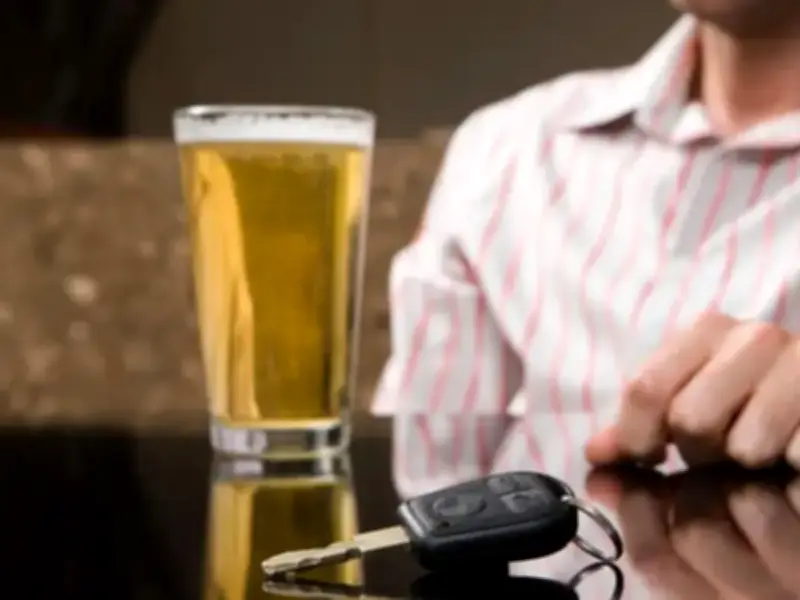
The Andy Burnham government is considering new drink-drive limits that would vary depending on when a driver passed their test. Under the Road Safety Strategy, the Labour government is consulting on reducing the current alcohol limit for drivers in England and Wales.
The Department for Transport's Road Safety Strategy, introduced by the previous Sir Keir Starmer government in January, proposed lowering the alcohol limit for learner and recently qualified drivers from 80mg per 100ml of blood to around 20mg. For all other drivers, the limit would be reduced to around 50mg, which is the current limit in Scotland.
The strategy was published at the start of the year and triggered a series of consultations, with drivers invited to give feedback before they closed in mid-May. Now, it will be up to Mr Burnham to make decisions on the proposals.

How much alcohol is allowed under the new limits?
It is difficult to say how much of a drink this translates to, as people process alcohol differently depending on factors such as their age and weight. The proposed 20mg limit for new drivers is nearly zero-tolerance, while the 50mg limit for experienced drivers is roughly half the current limit.
Dr Katherine Severi, Chief Executive of the Institute of Alcohol Studies, said: "This is a hugely welcome set of measures that has the potential to save many lives. England and Wales have had the highest drink-drive limit in Europe for years, and bringing it down – alongside a zero-tolerance approach for new drivers – brings us into line with the evidence and almost all other European countries."
She added: "There is overwhelming public support for reducing the drink-drive limit, because people understand that even small amounts of alcohol can impair judgement and reaction times."
Impact on rural roads and pubs
Dr Severi also addressed concerns about the impact on pubs, particularly in rural areas. She said: "Claims that lower drink-drive limits harm pubs, particularly in rural areas, are not supported by the evidence. Rural roads are among the most dangerous in the country, accounting for well over half of fatal collisions, and protecting rural communities means reducing risk, not turning a blind eye to it."
She continued: "Maintaining the status quo puts pub customers and staff at risk, and today’s pubs are already adapting to changing habits, with more alcohol-free options and designated drivers more common."
Enforcement and next steps
Dr Severi also welcomed the government's willingness to look at preventative measures such as alcohol interlock devices and stronger sanctions for high-risk offenders. However, she stressed the importance of enforcement: "Scotland’s experience shows that legislation must be backed by effective enforcement. Roadside breath testing has fallen dramatically over the past decade, and increasing visible, routine testing will be essential if these measures are to deliver their full life-saving potential."
The government will now decide on the proposals, with any changes expected to be implemented following the consultation period.