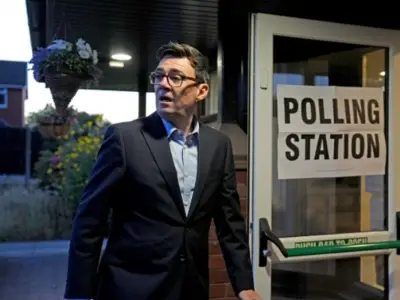
The government, now under Andy Burnham's leadership, is weighing new guidance on the use of red light cameras and local speed limits, as part of a broader push to reduce road deaths and serious injuries by 65% by 2035, compared to the 2022-2024 baseline. This follows a public consultation that closed in May, with a government response promised within three months, likely arriving in August.
Road Safety Strategy Under Review
In January, the previous administration led by Sir Keir Starmer unveiled a comprehensive Road Safety Strategy, which has since sparked a series of consultations. The strategy documentation explicitly states that the Labour government is considering "publishing new guidance on setting local speed limits, and using red lights." This includes updating the best practice guide 'Setting Local Speed Limits' and separate guidance on speed and red light cameras.
According to the strategy: "Local authorities and National Highways play the lead role in ensuring safe speed limits are set on England’s roads. Following research and consultation, the government will publish a new edition of the best practice guidance 'Setting Local Speed Limits' and will update separate guidance on the use of speed and red light cameras."

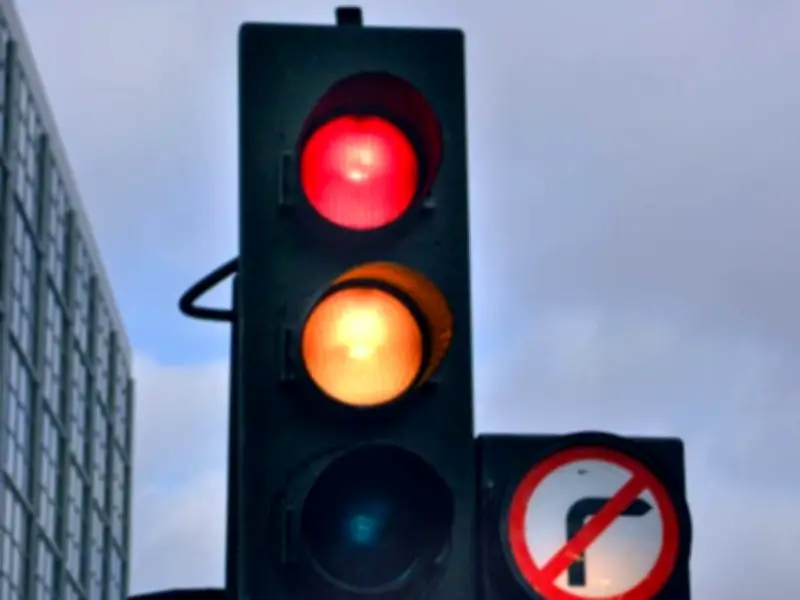
How Red Light Cameras Work
Modern traffic light cameras are equipped with radar and/or sensors or ground loops to detect vehicles that run red lights or exceed speed limits. It is an offence for any part of a vehicle to pass the white stop line after the light has turned red, as well as to speed through a traffic light.
The RAC explains that some cameras offer a "small grace period (less than half a second)" after the red light appears, while others photograph immediately. Most red light cameras in the UK are made by Gatsometer, with the Gatso RLC 36 model featuring dual speed and red light functions. The RAC advises drivers to avoid accelerating when lights change, for both safety and legal reasons.
Not All Intersections Have Cameras
Red light cameras are not universal. The RAC notes they are "typically installed in high-risk areas, perhaps where someone has previously been injured or an accident has occurred after a red light was run." This targeted approach aims to maximize safety impact where risks are highest.
Steve Gooding, director of the RAC Foundation, commented on the strategy's ambitions: "It is one thing to set out a bold strategy and another to see it through to full implementation. The delivery of this strategy rests on the co-operation and active collaboration of many players – ministers are going to need all the help they can get to deliver the outcome we would all wish to see."
Potential Impact on Drivers
If new guidance is issued, local authorities could alter speed limits and camera enforcement practices, potentially leading to more stringent enforcement. Drivers may face changes in how red light cameras are deployed, with possible increases in camera installations at high-risk junctions.
The 65% reduction target by 2035 is a significant ambition, requiring coordinated efforts from central government, local councils, and road authorities. The update in August will clarify the next steps, including any legislative changes or new best practices.
As the government finalizes its response, road safety groups and motoring organizations will be watching closely. The outcome could reshape speed management and camera enforcement across England, affecting millions of drivers.