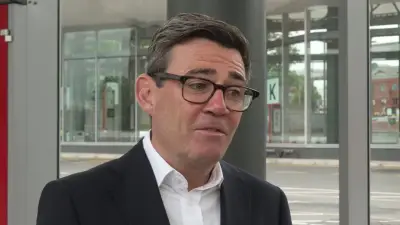
Energy UK has called for a new “social discount” on energy bills, targeting support based on income, health and energy consumption, and the government of Prime Minister Andy Burnham has issued a statement in response. The trade association’s Improved Energy Bill Support report argues that the current system is failing hard-up households and proposes a more permanent, data-driven approach.
Report calls for data-driven support
Energy UK’s report says many households in need are missing out on help and calls for targeted support in the form of a “social discount” that takes a range of factors into account. It argues for “a better targeted and more agile support scheme”.
“A combination of income, health, and energy consumption data would enable more effective targeting of support and allow assistance to be better aligned with differing household circumstances,” the report states.

The proposed model would use household income data alongside supplier-held energy consumption data to build a more complete affordability picture. Government-held income data would indicate a household’s ability to meet energy costs, while suppliers’ historic 12-month consumption data could identify differences in energy requirements.
“Bringing these together would enable households to be assessed according to both income and energy use, rather than relying on receipt of means-tested benefits as the sole proxy for need,” the report adds.
Health data could shape eligibility
Energy UK also recommends the Government explore “how health data can be made available for targeting purposes”. The report explains that some households have higher unavoidable energy requirements due to disability, and using this information could form “a more sophisticated approach to determining the level of support required”.
Energy UK’s Chief Executive, Dhara Vyas, said: “Too many households continue to feel the strain of high energy bills. Instead of relying on stopgap, ad hoc or emergency measures, we need a better, targeted and more permanent way to give people confidence that they’ll get help when they most need it. The current arrangements fail to provide the help needed and work out more costly.”
Vyas said the new analysis showed there was “a fairer, flexible way” to help those in need. She added: “A social discount will address the fuel poverty gap and provide the right amount of support to the right households at the right time – reflecting that needs vary across different customers. Introducing a social discount will require a lot of close working between Government departments and the energy industry – but will result in a system that works better for everyone.”
Government points to existing measures
Responding to the report, a Government spokesman said: “Tackling the cost of living remains a key priority for this government and we know families will be worried by the prospect of higher energy bills this winter.”
The spokesman highlighted current actions, including cutting VAT on electricity bills, ensuring around six million households get the £150 Warm Home Discount this winter, and making millions of homes cheaper to run through the Warm Homes Plan. “Alongside our efforts to support rapid de-escalation in the Middle East, we will do everything we can to shield consumers from global energy shocks and bring down bills for good,” the spokesman added.