Burnham Retains Controversial Winter Fuel Payment Rules
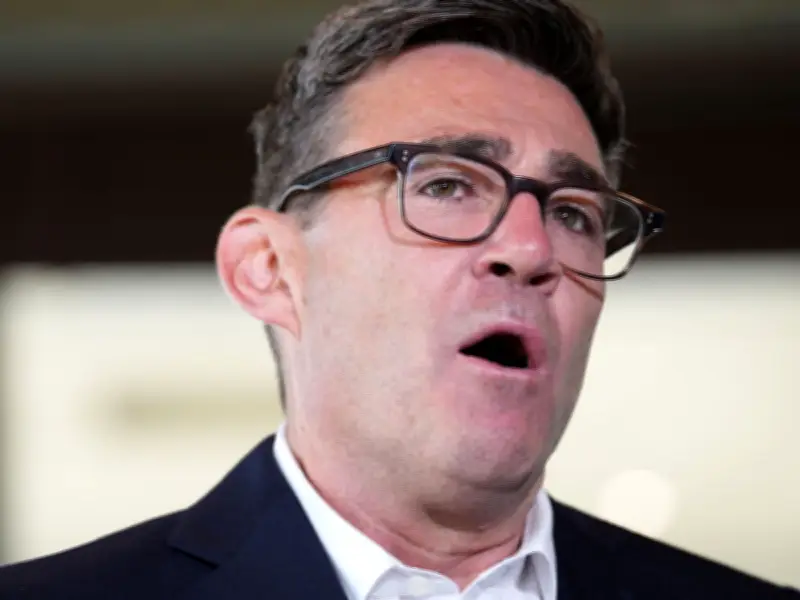
New Prime Minister Andy Burnham has confirmed he will keep the £35,000 income threshold for Winter Fuel Payments, a policy introduced by his predecessor Rachel Reeves. The threshold determines which pensioners aged 65 and over qualify for the annual payments, worth up to £300.
The winter fuel allowance is designed to help lower-income retirees keep their homes warm during the coldest months. Payments are made in November, but households with annual incomes over £35,000 no longer get to keep the money. They initially receive the payment, but HMRC recovers it through pension payments over the following year.
Background of the Policy Change
These rules were put in place by former Chancellor Rachel Reeves as part of controversial changes to the winter fuel allowance after Labour's general election win. Previously, payments were universal for all pensioners, but they are now linked to income. The £35,000 threshold is seen as the best way to target lower-income households while ensuring money is not wasted on more comfortable pensioners who can do without the support.

There has been no indication there will be any tweaks to these rules under Burnham and his new Chancellor John Healey. The policy remains unchanged, with the threshold continuing to apply.
Payment Amounts and Eligibility
Winter Fuel Payments are worth £200 for those aged below 80 and £300 for those aged 80 or over. The £35,000 threshold applies to annual income, including state pension and other sources. Pensioners with incomes below this threshold receive the full payment without clawback.
The decision to retain the threshold has drawn mixed reactions. Some argue it ensures support goes to those most in need, while others criticise it as a cut to universal benefits for pensioners. Burnham has not commented publicly on the policy since taking office.