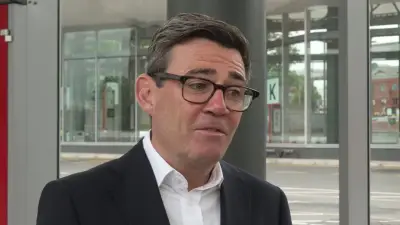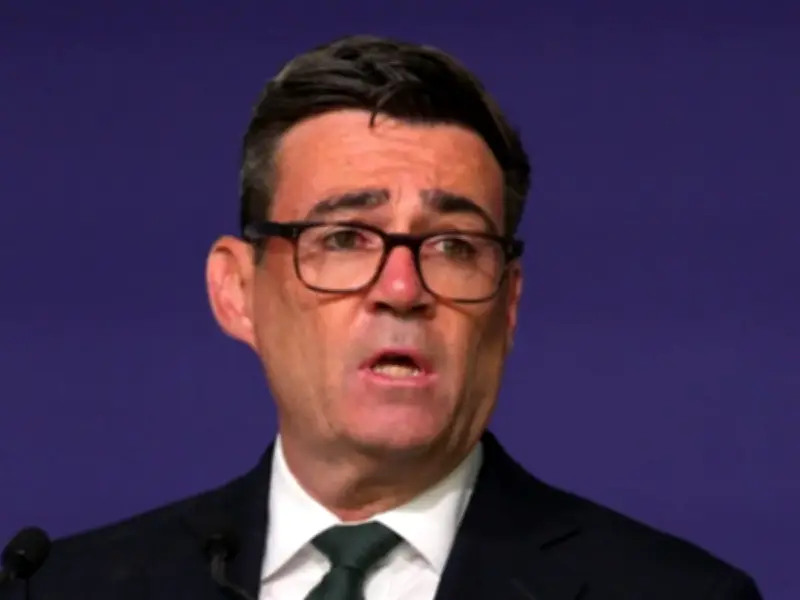
Andy Burnham could target capital gains tax or inheritance tax in his first Budget with new Labour Party Chancellor John Healey, according to a financial expert. The move would harm state pensioners, it is feared.
Tax rises plausible in October Budget
Michele Tieghi, financial expert at investing guidance platform psyfi money, said: "It's definitely plausible that tax rises could be announced in the 2026 Autumn Budget in October, with some having a higher probability than others."
Labour previously stated it would not raise income tax, National Insurance or VAT, and Mr Tieghi said the new administration will likely stick by this pledge. However, he said the Government will "find ways of getting around this" as many people will still pay more through these taxes.

Fiscal drag and savings taxation
He said: "Freezing thresholds, personal allowances, and reducing allowances for higher earners will allow fiscal drag to become a major source of extra revenue." He added: "There's also been talk around taxing savings. However, this will be unpopular with many, so it wouldn't be the top choice for the Labour Government."
Mr Tieghi explained: "In theory, they could reduce the personal savings allowance, lower starting rates for savings, and increase taxation on investment income, which would hit pensioners, middle-income families, and cautious savers the hardest."
Capital gains and inheritance tax changes
He said: "Changes to capital gains and inheritance tax remain much more of a possibility, with this having been frequently discussed by experts in the past as an easy way to raise revenue. For capital gains tax, they could reduce exemptions, increase rates, restrict Business Asset Disposal Relief, and alter reliefs for entrepreneurs."
He warned: "Andy Burnham's Government could tighten trust rules, alter gifting exemptions, reduce reliefs, and increase compliance."
The majority of estates do not have to pay inheritance tax. You can pass on up to £325,000 in total assets tax-free, with an additional £175,000 allowance if you are passing on your main residence to a direct descendant. An individual can pass on any of these unused allowances to their spouse or civil partner when they die. So when the second partner dies, they could potentially pass on up to £1million in assets with no tax to pay.
Government response
A Treasury spokesperson said: "The Chancellor is fully focused on his priorities, to boost business, help with the cost of living and support people in every postcode. As has always been the case, the Chancellor will set out decisions at fiscal events, rather than routinely commenting on rumour, speculation or proposals."