West Midlands Mayor Richard Parker has triggered the public buyout of National Express West Midlands, the private bus operator that runs 94 per cent of all local bus services in the region, after warning that services were at risk of collapsing. The move, announced today at Wolverhampton bus station, was backed by Prime Minister Andy Burnham and transport minister Simon Lightwood.
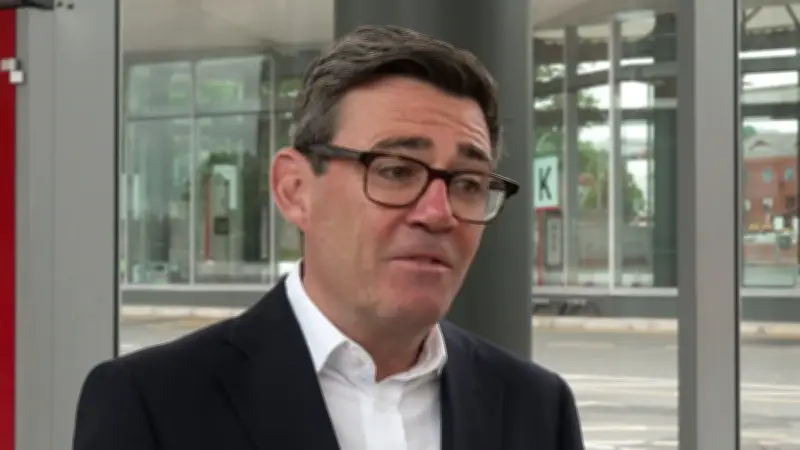
Parker said the decision was made because there was a real possibility that people would wake up one morning and wait for a bus that would never come. He said: "There was the real possibility of people waking up one morning and waiting at the bus stop for a bus that was never going to come. That was the jeopardy. We had no choice but to act."
A bold move to protect bus services
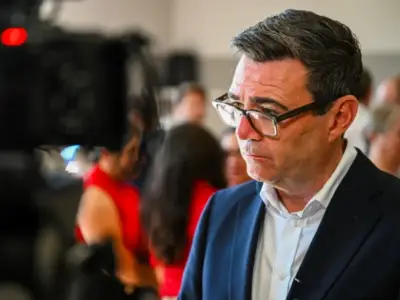
Prime Minister Andy Burnham, who was making his second visit to the West Midlands in five days, described the move as the biggest act of public control in his period in office. He said: "I am here to back the mayor Richard Parker who has made a bold move, stepping in to protect bus services and routes by taking the buses into public ownership. It is the biggest act of public control in my period in office. Without doing what he has done services would undoubtedly have collapsed."

Burnham, who has brought buses in Greater Manchester under public control, said the move gives the West Midlands a quicker path to a low-fare, integrated transport system that will bring together bus, tram and train.
Scathing verdict on National Express
Parker, who has long championed public ownership, said: "I could not stand by and watch our bus network get decimated because frankly the private sector operator had lost interest in it. We had to step in to save jobs, save the bus network and keep the West Midlands moving."
He added: "For too long in this region a private sector operator driven by commercial interests has driven the way the bus network works. It has not been right for the people and communities of this region. It is failing them - so today is a really big move."
The partnership between the West Midlands Combined Authority (WMCA) and the government will protect around 4,800 jobs and keep up to 750 buses a day on the road, ensuring communities continue to be connected to work, education, healthcare, childcare and leisure while the bus network is brought under public control.
Impact on passengers and next steps
Transport minister Simon Lightwood highlighted the peril: "Bus services in this area were at a real moment of peril. There was a distinct possibility that services would stop in this region. Given the fact that National Express operates 94% of services in the region, that would be millions and millions of people who would not be able to get to work or school. That's a huge deal. Can you imagine the economic impact of that happening?"
The deal has been hammered out over the past nine months and will see WMCA acquire the buses, the stations, the bus depots and the business itself in a deal speculated to be worth around £24m. The sale is expected to be completed in November; until then, services, routes and fares are expected to remain unaffected.
The move was popular with bus users. Graham Childs, 87, said he was disappointed when bus services were privatised and pleased they were coming back into public ownership. Regular bus user Alexandra Davis, a wheelchair user who is also deaf, said public transport was a vital lifeline, and it was especially difficult for disabled passengers if services were unreliable or confusing. Also announced today was a plan to allow holders of disabled bus passes to use them free at all times - previously they were only valid during peak daytime hours.

Paco Iglesias, Group CEO of Mobico Group, which owns National Express West Midlands, said: "We have been proud to serve the people and communities of the West Midlands for some 40 years, supporting 210 million passenger journeys a year in the region. This has only been possible thanks to the thousands of colleagues who have relentlessly delivered a safe, reliable and accessible bus service day in, day out. We have worked closely with the WMCA to help find the most effective way of introducing bus franchising. This is an important step in that process, providing continuity for passengers and colleagues, and we look forward to working with the WMCA to ensure a smooth handover in the coming months. The bus franchise model being introduced is right for the region. We are readying to participate in future tendering processes for bus franchises in the West Midlands and across the UK."