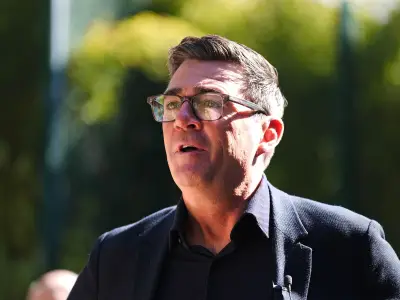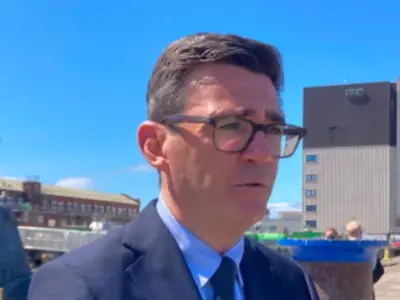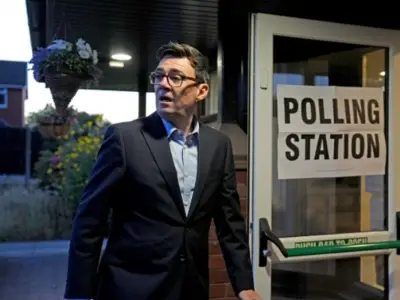
The right-wing thinktank Bright Blue has called on Greater Manchester Mayor Andy Burnham to consider introducing a new 13p income tax band for people earning between £5,000 and £12,570 a year. The proposal, which would sit below the current basic rate of 20%, is designed to reduce the tax burden on the lowest-paid workers.
Income Tax: A Key Revenue Stream
Income tax remains the single most important source of revenue for the UK Treasury, accounting for approximately a quarter of total tax revenue. It is levied on most forms of personal income, but each individual has a personal allowance of income that can be received tax-free. Currently, only around three-fifths of adults have income high enough to pay income tax.
Above the personal allowance, income is split into bands that are taxed at different rates. For the 2026/27 tax year, individuals earning £12,570 or less pay no income tax. Basic rate taxpayers pay 20% on income between £12,571 and £37,700 (or up to £50,270 for those entitled to the full personal allowance). Higher rate taxpayers pay 40% on earnings between £37,701 (£50,271) and £125,140, while additional rate taxpayers pay 45% on anything above that.

Bright Blue's Proposal
Bright Blue's proposal comes amid growing concerns about the cost of living and the financial pressures faced by low-income households. The thinktank argues that a new 13p band would provide targeted relief to those earning just above the personal allowance threshold, helping to make work pay and reduce in-work poverty.
The proposal also follows government documents revealing that HMRC could force self-employed workers and landlords to pay tax monthly on income they have not yet earned. This has raised fears about cash flow difficulties for those with fluctuating incomes.
Response from the Treasury
A Treasury spokesman responded to the proposal, stating: "The [Labour Party MP John Healey] Chancellor is fully focused on his priorities, which will boost business, help with the cost of living and support people in every postcode. As has always been the case, decisions on tax are a matter for the Chancellor to set out at fiscal events, rather than routinely commenting on rumour, speculation or proposals."
Impact on Low Earners
If implemented, the new 13p band could benefit millions of low earners across the UK. According to recent HMRC data, around 1.2 million people earn between £5,000 and £12,570 annually, and they would see a significant reduction in their tax liability. For example, someone earning £12,000 a year would currently pay no tax due to the personal allowance, but under the proposal, they would pay 13% on earnings above £5,000, resulting in a tax bill of £910.
However, critics argue that the proposal could complicate the tax system and create a cliff-edge effect, where individuals just above the threshold face a sudden increase in their effective tax rate. Others point out that the personal allowance already exempts the lowest earners from tax, and the new band would only affect those earning more than £5,000.
Political Context
Andy Burnham, who has been a vocal advocate for greater devolution and local control over taxation, has not yet commented on the proposal. However, his previous statements on tax reform suggest he may be open to innovative approaches to support low-income families.
The proposal is likely to spark debate within the Labour Party, as Burnham is seen as a potential future leader. Some Labour MPs have already expressed support for a more progressive tax system, while others caution against any changes that could be seen as increasing the tax burden on working people.
Next Steps
Bright Blue has urged Burnham to consider the proposal as part of his broader economic strategy for Greater Manchester. The thinktank believes that a lower tax rate for low earners could encourage more people into work and reduce reliance on welfare benefits.
Meanwhile, the Treasury has made it clear that tax decisions will be announced at fiscal events, leaving little room for immediate action. The proposal is likely to be discussed in the run-up to the next Budget, with campaigners hoping it will be included in future tax reforms.