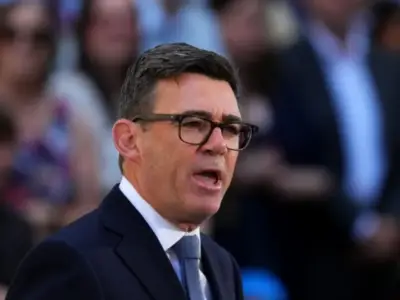
Andy Burnham has been urged to introduce restrictions on how much land any individual, group or business can own, alongside a 100 per cent tax on second homes, according to proposals from the thinktank Compass. The recommendations form part of a 100-point plan for the Labour Prime Minister's first 100 days in office.
Compass proposes land ownership limits and second home tax
Compass, which is backed by Mr Burnham's ally Neal Lawson, highlights that less than 1 per cent of the population owns over half of the 60 million acres of land in Britain. Currently, there is no maximum legal limit on how much land or how many properties an individual or corporation can own, though practical and regulatory bounds exist regarding land use, such as local planning laws, environmental rules, and restrictions on sub-surface mineral rights.
The thinktank suggests that the government should introduce a 100 per cent tax on the purchase price of second homes as part of a policy to tackle the housing crisis. It warns of “record second-home ownership while working people struggle for housing”. The income raised from this tax, which would effectively double the price of all second homes, would be used to fund state-owned affordable housing.

Property tax reform and council tax review
Compass argues that Mr Burnham should launch a “full independent review” of both council tax and stamp duty within his first 100 days. The report describes these property taxes as “Britain’s most unfair and economically damaging taxes”, noting that council tax is still based on 1991 property values, while stamp duty “penalises people for moving, downsizing, upsizing or relocating for work.”
The report also calls for Labour to restore secondary education to local authorities, stating that “academisation has disempowered local authorities, communities, teachers and parents, which is incompatible with the devolution of power sought elsewhere; consultation on unpicking this should begin soon.”
Devolution and community leadership
The report highlights examples of “everyday” leadership within communities and suggests cultivating an eco-system of support. It argues that the existing top-down leadership structure does not tap into the country’s wealth of talent and cannot address complex social issues alone. For devolution to succeed, it must not simply replicate the Westminster model on a smaller scale.
Over the next five years, the “For Us, By Us” initiative will launch pilot programs across the country, starting with a 6-12 month internal phase dedicated to questioning leadership norms, building belief, and instilling confidence before expanding nationwide. The proposals are among 100 submitted to Mr Burnham as he begins his premiership.