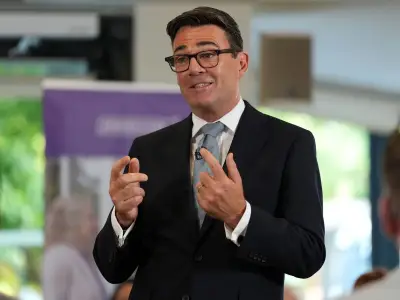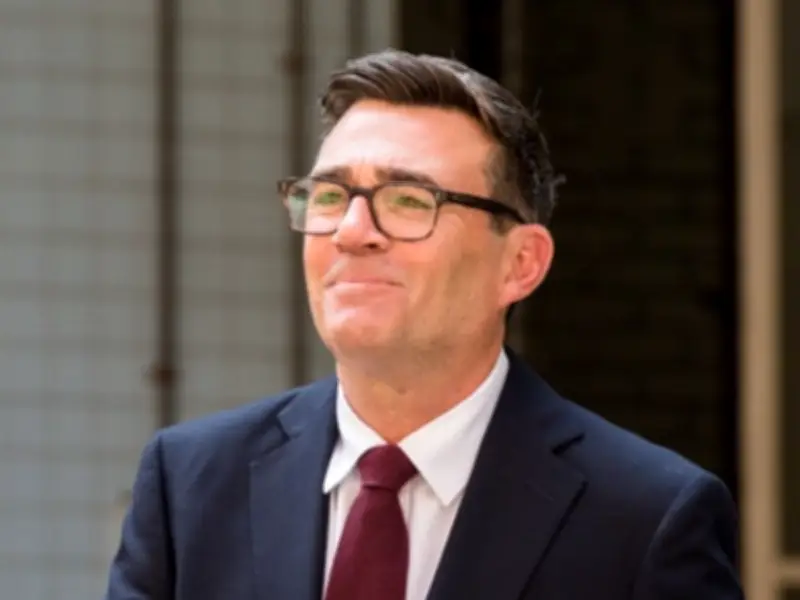
Prime Minister Andy Burnham is under mounting pressure to abandon plans for an overnight visitor levy that could add an extra £100 to the cost of family holidays in the UK. The measure, which was enabled by the previous Labour government, grants mayors and local leaders the authority to impose the charge from April next year.
With Burnham now in Downing Street, the decision on whether to implement the levy—and how to administer it—rests with him. The Makerfield MP has been warned that the tax would significantly increase the financial burden on families already grappling with the cost-of-living crisis.
Hospitality industry proposes alternative
UKHospitality, the trade body representing the sector, has stepped forward with a counter-proposal: a “Holiday Bonus” scheme. Under this model, local authorities would receive a fixed sum per visitor night, funded by central government revenues, rather than levying a new tax on tourists.

Allen Simpson, Chief Executive of UKHospitality, voiced strong opposition to the current plans. “As we warned would be the case, proposed holiday tax powers for Mayors are being swiftly expanded to every strategic authority in England,” he said.
He added: “It’s clear the Government is now intending to implement a nationwide holiday tax, making family holidays more expensive during a cost-of-living crisis.”
Job losses and economic impact
Simpson also highlighted the potential damage to employment, stating: “I am pro-devolution, but I am not in favour of an extra tax that will cost 33,000 jobs.” He urged the government to reconsider its approach, suggesting that instead of devolving taxation powers, it should devolve central revenues to local authorities through a holiday bonus.
“The solution is simple. Treat hospitality the same as every other sector,” he continued.
Rates cut excludes hotels and holiday parks
On Thursday, Burnham announced a 20% cut to business rates for pubs, clubs, and music venues across England, effective from April. However, hotels, restaurants, and holiday parks were notably absent from this relief, drawing criticism from industry figures.
The Prime Minister described the measure as a “first step” to support businesses, but Patrick Langmaid, from Mother Ivey's Bay Holiday Park in Cornwall, expressed disappointment. “We've been overlooked,” he said.
“We are delighted that other sectors are getting support but why not us?” Langmaid asked, following the announcement. He clarified: “I don't want to take away from pubs, clubs and live music venues because the whole of hospitality needs support around rates.”
He added: “I feel that hotels, restaurants and holiday parks have been thrown under the bus.”
Concerns over nationwide tax
The expansion of the levy powers to all strategic authorities has raised fears that the measure will effectively become a nationwide tax, undermining the initial devolutionary intent. Critics argue that during a period of high inflation and squeezed household budgets, additional costs on domestic tourism could deter families from taking breaks within the UK.
The hospitality sector, which employs millions across the country, is already facing significant challenges, including rising energy costs and staff shortages. Industry leaders warn that a visitor levy could exacerbate these pressures, leading to reduced footfall and potential closures.
As the government considers its next steps, the debate over how to balance local funding needs with the health of the tourism industry remains contentious. The proposal has sparked a broader conversation about the role of taxation in supporting economic recovery and the importance of a cohesive approach to hospitality support.