State pensioners across the UK have been handed a record income tax bill of £29.8 billion for 2024-25, according to newly released HMRC figures. That represents a jump of more than 40% in just two years, and it means an estimated 9.5 million retired people are now expected to pay income tax this year — almost one in four of all UK taxpayers.
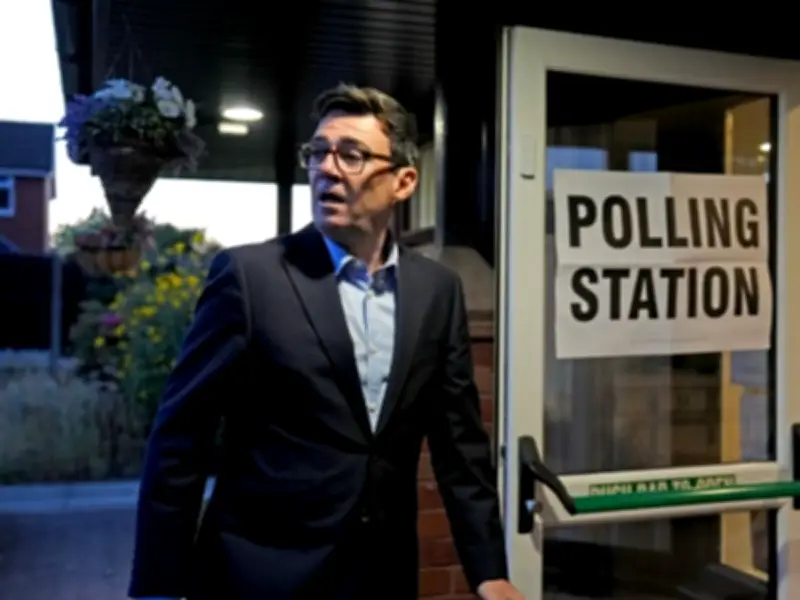
The figures come amid a political row over pensioner taxation. Prime Minister Andy Burnham and Chancellor John Healey, both Labour, have insisted that pensioners whose only income is the state pension will not pay income tax on those payments. They say they are committed to delivering the pledge originally made by Rachel Reeves last autumn.
Why are pensioners paying more tax?
The main reason is the prolonged freeze on income tax thresholds and personal allowances. Because thresholds have been held at the same level while state pensions rise under the triple lock, more pensioners are crossing into taxability each year. This is often described as fiscal drag.

Sir Steve Webb, a former pensions minister, said: “These figures show that the amount of income tax pensioners are paying on their pensions has soared in recent years. The constant freezing of tax thresholds and allowances has dragged more and more pensioners into tax, and more into higher rates of tax.”
He also pointed out that pensioners are contributing significantly to Treasury revenues. “In the discussion around fairness between the generations, what is often missed is how much pensioners are paying back into the system. Although pensions have been going up, a growing proportion is coming back to the Government in increased income tax receipts,” he added.
Impact on middle-income retirees
Andrew Tully, of Nucleus Financial, explained that the freeze affects not only those newly brought into tax but also those pushed into higher-rate bands. “This deep freeze means many more people are paying income tax who never used to, while millions more are paying higher rate tax when historically they only paid basic rate tax,” he said.
“Pensioners will also be affected by these changes, and as the state pension increases in line with the triple lock, more of their other income will be exposed to higher tax rates,” Tully added.
Sir Steve cautioned that the Government may have little room for manoeuvre. “The Government may well conclude that it simply has to live with the rising cost of tax relief for now,” he said.
Labour’s pledge and Treasury reassurance
In response, a Treasury spokesman said: “Anyone whose only income is the full new or basic state pension without any increments will not pay income tax and we are committed to that over this Parliament.”
The spokesman added that the triple lock will continue: “By keeping the triple lock, 12 million pensioners will see their income rise by up to £470 this year, and they continue to benefit from the highest personal allowance in the G7.”
However, the HMRC data suggests that the promise only protects those with no other income. Pensioners who receive additional private pensions, savings income, or part-time earnings can still face tax bills, and it is this group that is increasingly being caught by the frozen thresholds.
What the numbers mean
The £29.8 billion paid in income tax by pensioners in 2024-25 compares with a figure roughly 40% lower just two years earlier. With 9.5 million pensioners expected to be taxpayers this year, the scale of the tax base has shifted significantly towards older people.
Almost a quarter of all taxpayers are now above state pension age, according to official projections. That trend is likely to continue as the triple lock pushes the full state pension higher each year, while tax allowances remain static.
The figures are likely to intensify the debate over pensioner taxation, with some arguing that the freeze effectively claws back a significant portion of recent state pension increases. For now, the Government insists it is keeping its promise to protect those reliant solely on the state pension.