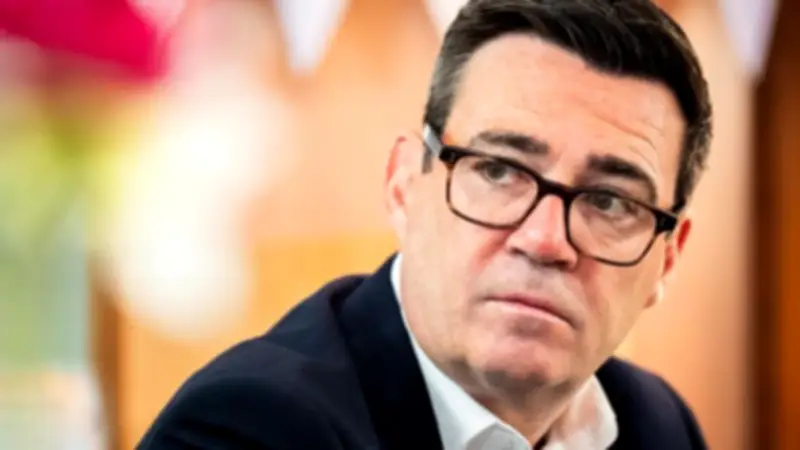
Prime Minister Andy Burnham has said he intends to go "further" to support high street shops through business rates reform at the upcoming budget, building on his earlier promise to lower commercial taxes for local pubs, clubs, and entertainment venues.
The initial 20% tax reduction for hospitality premises was one of the first commitments he made upon entering office. It forms a key element of the Government's broader strategy to help communities cope with rising operational costs, say ministers.
Burnham's Budget Pledge
Appearing on BBC Radio 5 Live's Wake Up To Money programme, Burnham expressed his ambition to introduce wider business rates relief on October 28. Burnham told the programme: "We are going to bring forward the VAT cuts on electricity, we are bringing forward the business rate cuts for pubs, we're going to look at business rates more broadly for high street businesses in the budget, so there's plenty more that we can do."

Addressing the ongoing financial challenges faced by independent traders, the PM conceded that "the cost of doing business is too high. I wouldn't want to promise the earth and say all can be solved because I think people can see I'm facing a difficult financial outlook, and I won't bring forward things that I can't fully fund."
Commitments Already Made
Asked what commitments he could offer to firm owners, Burnham said: "Well, I have already made moves in three weeks in my first period in office. I've made a commitment around VAT on electricity, and that does affect the smallest businesses who are able to get the benefits of the removal of VAT on electricity."
Continuing his response about future backing, the Prime Minister said: "We've made a move on pubs and business rates. I'm signalling going further on business rates. So there are things that we can do, and we'll do everything that is possible for us to do. But I think everyone knows that I'm in a position with limited room for manoeuvre."
Pressure on Businesses
In addition, Burnham admitted that decision-making under Sir Keir Starmer and former chancellor Rachel Reeves to raise employer national insurance contributions had placed extra financial pressure on local enterprises. He said: "Of course, it added pressure; the cost of energy is adding pressure. So businesses, I understand what they're saying and what they're feeling, and my job is to not just hear that but then respond to it and see what we can do."