The Department for Transport has confirmed that England's motorways and major A-roads will see targeted safety improvements, with decisions now resting with Prime Minister Andy Burnham. The Labour government's Road Safety Strategy, unveiled in January, set out ambitious reforms, and following five consultations that closed in mid-May, the DfT has now delivered its promised update.
Focus on high-risk roads
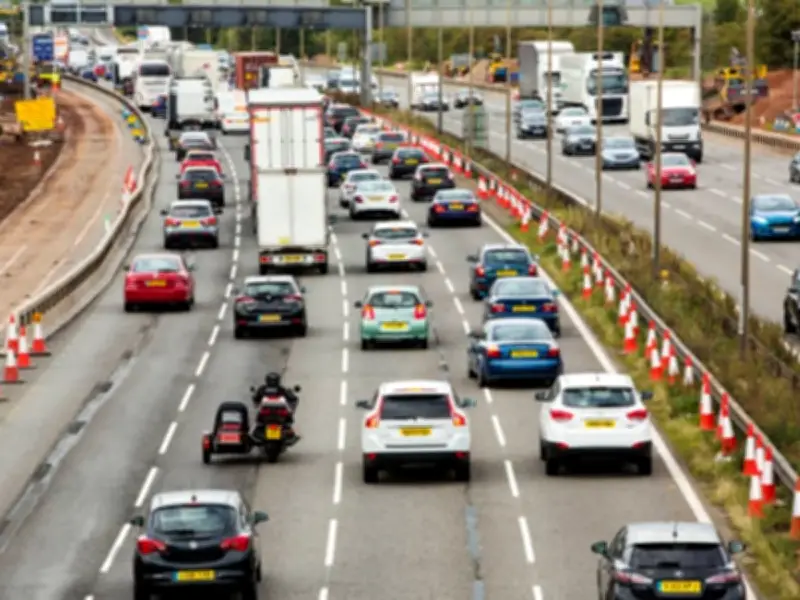
National Highways will prioritise locations with the lowest International Road Assessment Programme (iRAP) star ratings, aiming to reduce the number and severity of collisions. The strategy covers two periods: an interim phase from April 2025 to March 2026, and a full road period from April 2026 to March 2031. During the interim period, the agency will deliver targeted enhancements where they are expected to have the greatest impact.
The DfT's strategy states: "Safety is a priority for National Highways and it has a long-term 'zero harm' ambition to eliminate KSIs on the SRN. Its interventions are underpinned by the Safe System approach." The agency will also work with partners through its Road to Zero harm initiative, using an evidence-based roadmap towards eliminating killed or seriously injured (KSI) casualties.

Burnham's role in decision-making
Andy Burnham, the Makerfield MP who succeeded Sir Keir Starmer as Prime Minister, will oversee the implementation. The DfT confirmed that National Highways will focus on "high risk" roads, with the timespan running from April 2025 to March 2031. Burnham will be in office for a significant portion of this period, possibly all of it.
The strategy also includes new rules for older motorists and broader road improvements, all aimed at reducing road deaths. Transport Secretary Heidi Alexander, re-appointed by Burnham to the Transport Security brief, is working closely with Roads Minister Lilian Greenwood MP to deliver the plan.
Broader context and impact
The Road Safety Strategy is part of a wider government push to reform UK roads. The five consultations, which ended in mid-May, covered a range of reforms, and the government promised stakeholders an update three months later. That update has now arrived, confirming the focus on high-risk routes.
According to the DfT, the Strategic Road Network (SRN) is "a vital piece of national infrastructure" managed by National Highways. Despite progress in reducing KSI casualties, the department stresses that "it is vital that action continues to be taken to further improve safety." The government will continue to support National Highways in its efforts.
The announcement comes as Burnham's administration prioritises road safety, with the strategy aiming to cut deaths through infrastructure improvements and new driving rules. The DfT's confirmation marks a significant step, with National Highways now expected to implement the measures over the coming years.