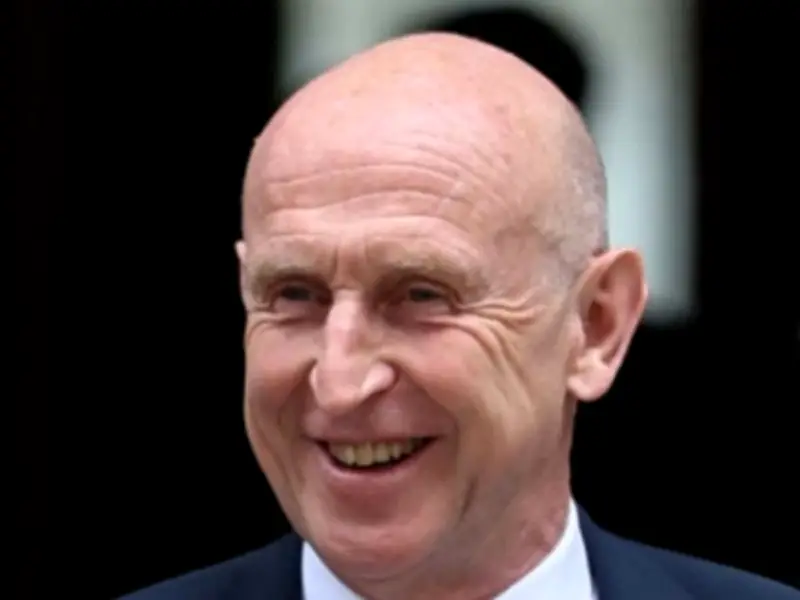
John Healey, the newly appointed Chancellor of the Exchequer, has a history of backing the 50 per cent top rate of income tax, a stance that could signal future fiscal policy under the Labour government. Healey, who secured the position ahead of Shabana Mahmood and Ed Miliband, has long advocated for higher benefit spending and served as a senior member of Jeremy Corbyn's shadow cabinet.
Healey's Support for the 50p Tax Rate
In the past, Healey has consistently supported the reintroduction of the 50p income tax band, which was reduced to 45 per cent by the Conservative-Liberal Democrat coalition government in 2013. He argued that the tax cut disproportionately benefited the wealthy. In 2012, he stated: "The chancellor this afternoon singled out for special treatment those earning more than £150,000 a year, cutting their 50p income tax rate and giving them a tax break that is worth more to those people than many in Rotherham or Barnsley can earn in a year."
Criticism of Conservative Budgets
Healey has been a vocal critic of Conservative fiscal policies. In 2016, he slammed George Osborne's budget as "a starkly regressive Budget, with the rich getting the most and the poor getting the least." He highlighted specific measures: "We saw a tycoon tax cut of over £3bn benefiting the very richest, an income tax cut of £2bn benefiting the better-off, and, alongside that, a cut in disability benefits worth over £4bn."

New Threshold for the 50p Rate
The 50p income tax band under Healey's proposals would apply to individuals earning over £125,140, a threshold that aligns with the current higher-rate threshold. This move is expected to generate additional revenue for public services and reduce inequality, though critics argue it could deter investment and high-earner retention.
Defence and Economic Impact
Healey's background as Defence Secretary has shaped his economic outlook. One insider told the Telegraph: "Healey understands the third-order effects of not investing in defence and deterrence." A defence start-up boss added: "He was strong on defence, and my sense is he’ll be good as Chancellor. Where he’ll be most strong, I think, is understanding how defence impacts industrial and economic progress. The Treasury always has a relatively negative or pessimistic view on the growth multiplier for defence spending, so maybe they’ll have to change their forecasts on that."
Another defence executive commented: "We’re delighted. He was fantastic to deal with as defence secretary. When there was something to be set up, he always followed through."
Political Reactions
Theo Bertram, a former adviser to Tony Blair and Gordon Brown, described Healey as a "safe pair of hands in Treasury" and someone "not afraid to reform or be radical." However, the policy has drawn mixed reactions, with supporters praising its progressive nature and opponents warning of potential economic downsides.