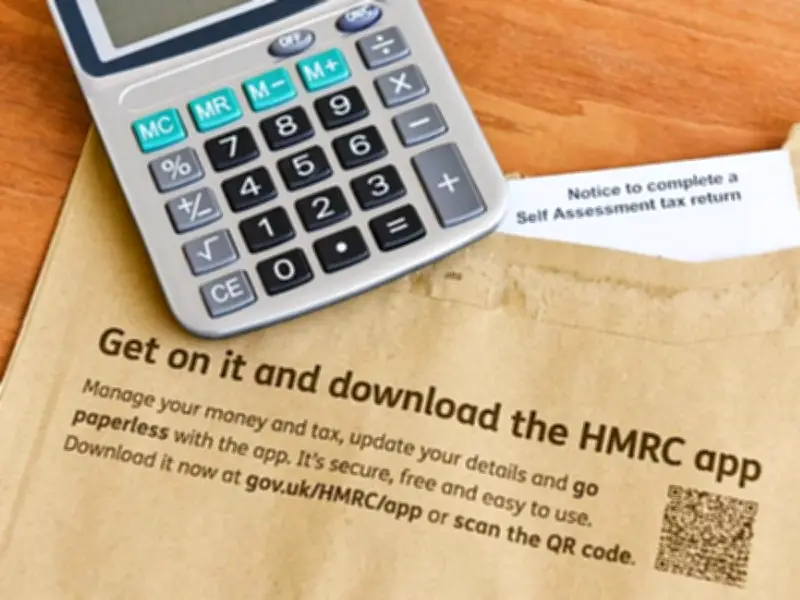
Rupert Lowe has unveiled a bold fiscal proposal to increase the HMRC personal tax-free allowance from £12,570 to £16,000, a move he says would deliver significant income tax cuts for households across the UK. The party leader, who is positioning himself as a right-wing alternative to Nigel Farage and Reform UK, insists the threshold would have reached this level had it kept pace with inflation since it was frozen in 2021.
A Promise to Slash Income Tax
Speaking ahead of the next general election, Lowe framed the allowance increase as a central pillar of his economic agenda. If implemented, the change would mean that an individual earning up to £16,000 would pay no income tax at all, a substantial reduction in the tax burden for millions of workers. The proposal is part of a broader package aimed at stimulating economic growth and putting more money back into the pockets of ordinary families.
However, the plan has drawn criticism from some economic experts. Julian Jessop, a fellow at the Institute of Economic Affairs, cautioned that while any reduction in taxation is welcome, such a sweeping measure could prove fiscally irresponsible. He stated: "Any proposal to slash the tax burden is always welcome, but such a broad-based package is hard to justify and could open up another gaping hole in the public finances." Jessop suggested that a more targeted approach, focusing on particularly harmful levies like stamp duty and payroll taxes, would be preferable.

Political Rivalry and Coalition Speculation
The announcement comes amid intense political manoeuvring on the right of British politics. Earlier this week, Lowe extended an olive branch to Nigel Farage, suggesting the two leaders should be prepared to work together. However, Reform UK's home affairs spokesperson, Zia Yusuf, poured cold water on the idea of a coalition, telling BBC Radio 4's Today programme: "One thing about history in this country, it shows that coalition governments achieve nothing that anybody wants, really. Everyone ends up disappointed."
Farage, for his part, framed the next election as "an existential fight to save the country" and acknowledged that Reform would need support beyond its own ranks to secure victory. In a post on X, he wrote: "I understand Reform UK will need the support of people from other parties, as well as millions who have never voted before. That is the broad coalition I am building." He added that Reform had "always been open to anyone" who shared its aims on borders, the economy, and democracy, but insisted: "I will never turn my back on my team."
Impact on Households and Public Finances
If Lowe's proposal were to become reality, the tax-free allowance increase would represent a significant financial benefit for households. Currently, the personal allowance stands at £12,570, meaning that a worker earning £30,000 pays income tax on £17,430 of their income. Raising the threshold to £16,000 would reduce taxable income to £14,000, resulting in a tax saving of approximately £686 per year for basic-rate taxpayers. For those on higher incomes, the savings could be even more substantial, although the measure would also reduce government revenue.
Critics argue that such a move could exacerbate the UK's fiscal deficit, which has already been stretched by recent economic pressures. The Institute for Fiscal Studies has previously warned that unfunded tax cuts risk undermining public services and long-term economic stability. Nevertheless, Lowe's team maintains that the increase is both fair and necessary, arguing that the frozen threshold has effectively dragged more people into higher tax brackets over the past few years—a phenomenon known as fiscal drag.
Looking Ahead to the General Election
As the political landscape evolves, Lowe's tax pledge is likely to become a key battleground issue. With the next general election on the horizon, voters will be weighing the merits of different economic strategies. While Lowe's proposal offers a clear and simple promise to reduce taxes, the broader implications for public finances and public services remain a subject of debate.

The coming months will reveal whether Lowe can build sufficient momentum to challenge the established parties and whether his tax-cutting vision resonates with the electorate. For now, the £16,000 allowance stands as a defining feature of his campaign, setting the stage for a contentious and closely watched electoral contest.