Rupert Lowe has unveiled a bold tax reform proposal that would dramatically increase the higher-rate tax threshold from £50,271 to £100,000, a move he argues would unleash economic growth and lure back wealthy entrepreneurs who have left Britain. Under the plan, the basic rate band would also be significantly widened, with the 20p rate applying to earnings up to £100,000 instead of the current £50,270.
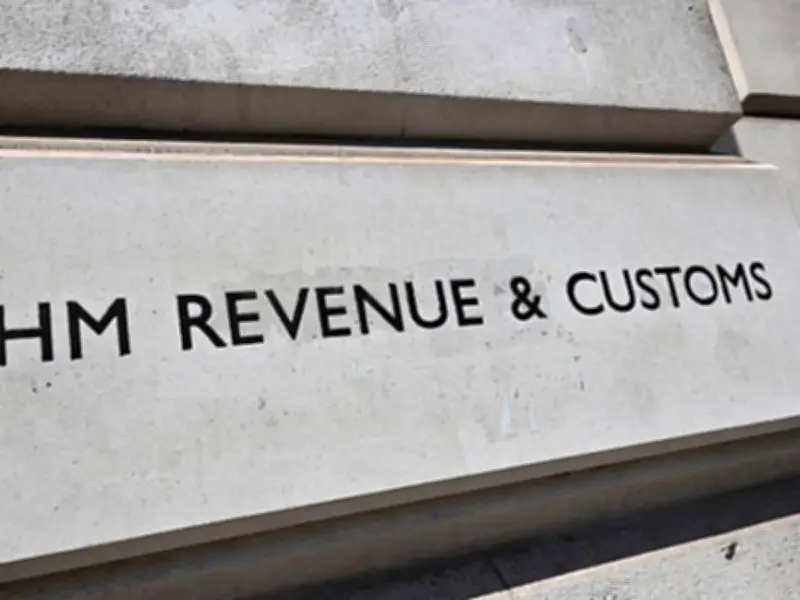
Current tax bands under HMRC rules
Under existing HMRC regulations, the personal allowance covers earnings up to £12,570. The basic rate (20%) is then applied to income from £12,571 to £50,270. The higher rate (40%) applies to earnings between £50,271 and £125,140, while the additional rate (45%) is charged on income above £125,140. Lowe's proposal would effectively flatten the tax structure for most earners, removing the higher rate for those earning under £100,000.
Speaking about the plan, Lowe said: "If we release the British people from the manacles of the state, we expect the economy to pick up very quickly." He also expressed confidence that "rainmakers and wealth creators" who had departed the UK would return under the proposed tax regime.

Political context and olive branch to Farage
The tax announcement comes amid Lowe's broader political manoeuvring, as he extended an olive branch to Nigel Farage, his principal rival on the right of British politics. Lowe urged Farage to put "personalities and our past disagreements aside" and outlined five conditions for cooperation.
These conditions include the mass deportation of illegal migrants "including women and children", tougher rules on legal migration, a ban on halal and kosher slaughter, the burqa, cousin marriage and sharia courts, a referendum on the death penalty, and welfare cuts to fund "self-sufficiency". Additionally, Lowe demanded the exclusion of former Tory ministers from any future cabinet.
Reactions and analysis
"Mass deportations must become a political inevitability," Lowe stated, adding emphatically: "They must all go." However, these conditions are likely to hinder Farage's ability to appeal to a broader electorate, potentially complicating any potential alliance.
Joe Mulhall, director of research at the anti-fascism organisation Hope not Hate, offered analysis of Lowe's move: "What Lowe’s move does for his own base, and Restore-curious types, is to negate the charge that he is splitting the vote on the right." He continued: "He has, from one perspective, put an offer on the table, which considering how much they seem to hate each other, has the appearance of generosity."
Mulhall added: "But from Lowe’s perspective, it’s also something which he can be pretty sure Farage would never have accepted, given that his route to power ultimately requires him courting centre-right votes. Having ethnonationalists behind him would mean endless questions."
Economic implications and public response
The proposed tax changes would have significant implications for public finances. If implemented, the policy would reduce tax revenue from higher earners, potentially requiring spending cuts or increased borrowing. Supporters argue that the economic stimulus from increased consumer spending and investment would offset the initial revenue loss, a claim that remains contentious among economists.
Public reaction has been mixed, with some praising the proposal as a boost for middle-income earners, while critics argue it disproportionately benefits the wealthy. The plan is part of Lowe's broader platform as he positions himself for a potential prime ministerial bid, with the next general election expected within a few years.
What happens next
Lowe's proposals are now subject to public and political debate. With the tax threshold plan and the conditions for cooperation with Farage now public, the coming months will reveal whether these moves gain traction among voters or further polarise the right-wing political landscape. For now, the focus remains on how these proposals will shape the political discourse leading up to the next election.