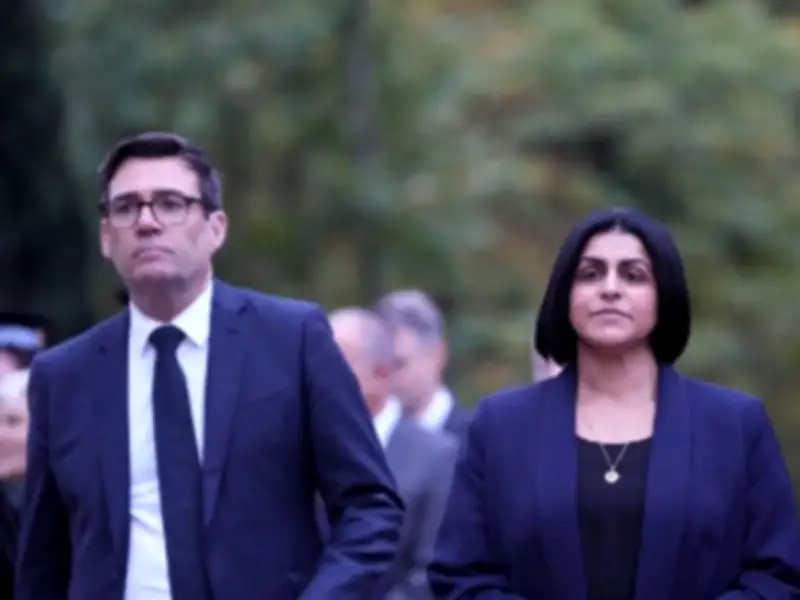
Paid paternity leave for police officers in England and Wales is set to double from one week to two, following a decision by Prime Minister Andy Burnham and Home Secretary Shabana Mahmood. The change, which applies across all forces, aligns fathers' leave with the existing entitlement for mothers.
Before this update, only a quarter of police forces offered new fathers two weeks of paternity leave on full pay. Recent research indicates that one in three UK fathers took no paternity leave after the birth of their child.
Government Action and Context
Under the Labour government led by Mr Burnham, who is also the MP for Makerfield, and Ms Mahmood, who represents Birmingham, the paid parental and adoption leave for officers has been increased. The move brings the police force in line with other public sector workers and addresses a long-standing disparity.

The announcement follows a letter from more than 20 organisations urging Mr Burnham to commit to the men and boys' agenda. In their correspondence to the new prime minister, the groups stated: “Taken together, these developments represent something more significant than a series of individual policies. They represent the beginning of a new consensus: one that rejects the false choice between supporting men and supporting women.”
Reactions and Economic Impact
Joeli Brearley, founder of the charity Pregnant Then Screwed, welcomed the move but highlighted the broader challenges. She noted that the UK has “the least generous paternity benefit in Europe,” with dads and partners receiving “a measly £172 a week for two weeks.” Brearley argued that this forces the burden of care onto women, as babies cannot care for themselves at two weeks old.
Brearley also pointed to the economic benefits of paternity leave, describing the policy as a “bargain” given the advantages it brings. She called on political parties to include progressive parenting policies in their manifestos ahead of the next general election, saying: “This is an open goal for the next government. If they are looking for a policy to excite the electorate, to instil hope for the future, to improve the outcomes for children, parents and the economy, whilst reducing gender inequality, then it’s here.”
Next Steps and Wider Implications
The change in police paternity leave is part of a broader effort to address gender inequality in parenting responsibilities. The decision is expected to set a precedent for other sectors, with campaigners urging further reforms to make paternity leave more accessible and better paid across the UK.
As the policy takes effect, it will apply to all police forces in England and Wales, ensuring that new fathers in the police service can take advantage of the extended leave. The move is seen as a step toward closing the gap between men and women in the workplace and at home.