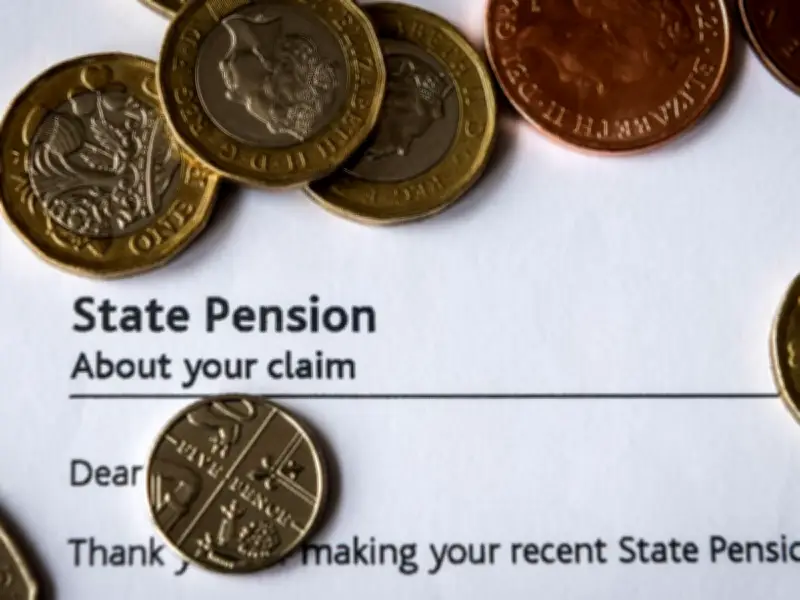
The Department for Work and Pensions (DWP) could bring the planned rise in the state pension age to 68 forward by at least seven years, its official spending watchdog has confirmed. The Office for Budget Responsibility (OBR) indicates that the "current policy" is to move the rise from 2044 to 2037, meaning millions of people will face an extra year in work under the plans.
Who Is Affected by the Change?
The OBR states that the Labour Party government's HM Treasury has confirmed the decision, despite the planned rise not being in legislation. The change means that around five million people who are currently aged between 49 and 55 would have to work for an extra year before being eligible for their DWP state pension. This group, born between 1971 and 1977, would see their retirement age pushed back.
OBR Report Details
The OBR report said: "We assume that the state pension rises to 68 in 2037-39, and then to 69 in the 2070s." It adds that, if the government were to follow the legislated 2044 plan, it would cost "an average additional £6 billion in today's terms in each of the years the state pension age rise is delayed." This highlights the fiscal pressure driving the acceleration.

Expert Reaction
Economist Paul Johnson, the former head of the Institute for Fiscal Studies, said: "Current legislation is that the pension age will not rise until the mid-2040s. If it is the government's firm intention that it should rise sooner than that, they need to say so publicly and get on with legislation — and fast. People need certainty and, ideally, at least a decade's notice." He added: "It is, however, the right thing to do. For many decades the retirement age has not kept pace with increasing life expectancy and these reasonably modest changes to the pension age will help the government's long-term fiscal position. However, the government will also have to look at other areas like the triple lock to ensure that state pension is sustainable in the longer term."
Government Response
A spokesperson told The Times: "The previous government publicly committed to raising the state pension age to 68 between 2037 and 2039 and the OBR has reflected that position for years. The state pension age review, which will consider what the timetable for state pension age should be in the coming decades, is currently under way and we cannot pre-empt the outcome." This suggests the government is still considering the timeline but has not yet legislated.
Impact and Next Steps
The potential acceleration means that those currently in their late 40s and early 50s need to plan for a longer working life. The OBR's assumption adds urgency to the need for clear communication and legislative action. With the triple lock also under scrutiny, the government faces tough choices to ensure the pension system's sustainability without causing undue hardship for future retirees.