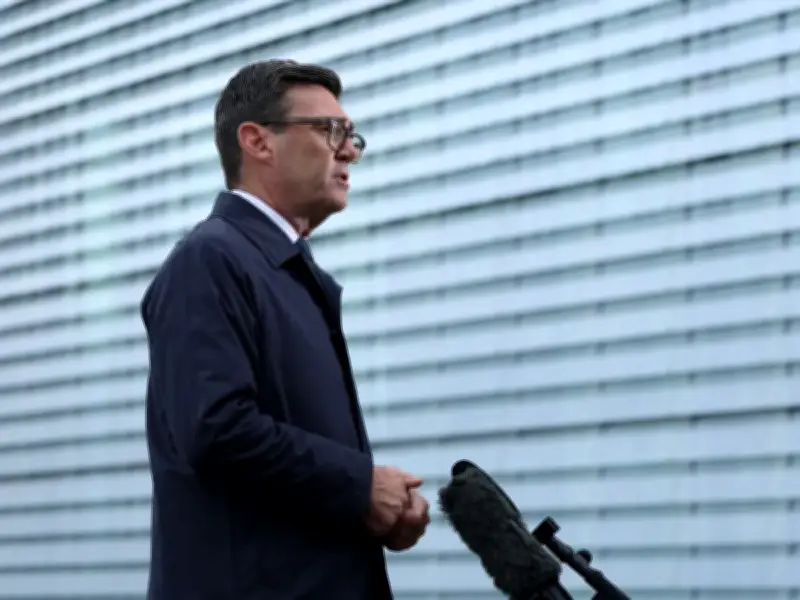
The full state pension is set to exceed the income tax personal allowance from April 2027, according to reports. Guaranteed annual increases will push the rate past the frozen £12,570 threshold, the point at which income tax becomes payable. The development intensifies pressure on Andy Burnham to raise the allowance, which has remained unchanged since 2021.
Prime Minister's pledge on pensioner taxes
The Prime Minister has confirmed that individuals whose sole income is the state pension will not pay any tax. Speaking at the Labour Party Conference in Liverpool, he stated that pensioners "will not be dragged into paying income tax in this Parliament." However, this leaves other over-65s with private pension pots, savings interest, or part-time income at risk of being pushed into paying tax.
The full state pension, awarded to those who retired over the last decade, is on course to climb to over £13,000 from April. Reports indicate that Burnham and Chancellor John Healey are considering raising the personal allowance to £15,570, which would provide lower-income working households and pensioners with more breathing room, allowing them to keep more of their money.
Budget announcement awaited
It remains to be seen whether an announcement will be made at the Budget later this month. Derence Lee, finance expert at Shepherds Friendly, commented: "With the personal allowance frozen at £12,570, each rise in the state pension increases the likelihood that more pensioners will be drawn into paying income tax for the first time. Even relatively small amounts of additional income, such as a private pension or part-time earnings, could then push them over the threshold."
The potential change would affect pensioners who have additional income sources beyond the state pension, potentially increasing their tax liabilities. The decision on whether to adjust the personal allowance is now a key point of focus ahead of the Budget.