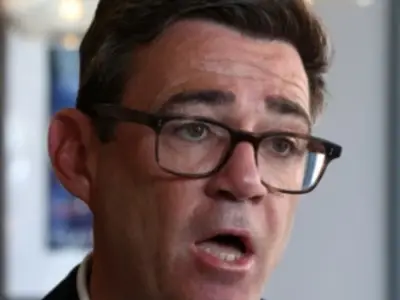
UK inflation surged to 2.9 per cent in the 12 months to July, according to the Office for National Statistics (ONS), marking a rise from the previous reading of 2.6 per cent. The increase follows the reset of the energy price cap and is likely to signal the start of a prolonged period of rising price growth, posing a challenge to Prime Minister Andy Burnham's cost of living agenda.
Inflation Details and Underlying Pressures
The ONS reported that services inflation, a closely monitored measure by Bank of England policymakers as it offers signals on wage pressures, eased to 3.4 per cent, while core inflation, which excludes food and energy, came in at 2.6 per cent. Mike Hardie, deputy director for prices at the ONS, attributed the upward pressures to specific retail trends.
"Upward pressures included furniture prices falling by less than usual for this time of year, and also a smaller fall for clothing prices due to reduced discounting," Hardie said. "The prices of raw materials and goods leaving factories slowed again, driven by a drop of crude oil and refined petroleum respectively."

Government and Opposition Reactions
Chancellor John Healey declared "Britain's economy is resilient" despite the impact of the Iran war on "prices here at home". He defended government cost of living measures, stating: "We have cut VAT on electricity bills and capped bus fares at £2 – to give breathing space to those feeling the strain. There is more to do to restore hope and build a stronger economy where prosperity is shared more fairly across Britain."
Shadow chancellor Sir Mel Stride criticised the government's record, saying: "Price rises are accelerating once again under Labour. When the Conservatives left office inflation was bang on the two per cent target, now it has been above that level for 22 months in a row. This will be a worry for families across the country. Labour's tax rises and business bashing have driven the cost of living higher and higher, yet Andy Burnham refuses to rule out yet more tax hikes at the Budget."
Economic Forecasts and Market Impact
Scott Gardner, investment strategist at J.P. Morgan Personal Investing, noted that July data showed the impact of the Iran war feeding into household bills. "Businesses are also facing higher input prices which are being passed on to buyers and could rise heading into the colder months later this year," Gardner said. "Falls in services inflation and shop prices are helping to offset some of these pressures for now but the jury is out on whether this will last."
City economists have broadly indicated that inflation is forecast to peak later this year or in early 2027 at a minimum of around three per cent, as the effects of volatile energy prices gradually filter through to British households. The previous government under Sir Keir Starmer maintained that diplomacy with President Trump and leaders across the Middle East was the "best economic policy" to get bills down for households.
On Tuesday, UK borrowing costs as measured by 10-year gilt yields reached a near-two decade peak, with the government issuing medium-term bonds at a yield of 5.155 per cent, the highest interest rate on such debt since 2007. The Bank of England has cautioned that it may be forced to lift interest rates if disruption to oil and gas trade flows across the Gulf region persists due to US-Iran tensions. Traders remain divided on whether the Bank will raise rates at its September decision.
Felix Feather, economist at Aberdeen, noted that markets remained "largely undisturbed" by the elevated inflation rate and continued to anticipate "modest tightening" in monetary policy. "Given evidence of a slowdown in underlying domestically generated inflation, as opposed to more internationally driven goods such as energy commodities, and soft labour market conditions, we see the Bank on hold for the rest of the year," Feather said.
Elevated borrowing costs could place government plans to alleviate the cost of living under additional strain, restricting room for tax reductions or increased expenditure that might ease the financial burden on households and businesses.