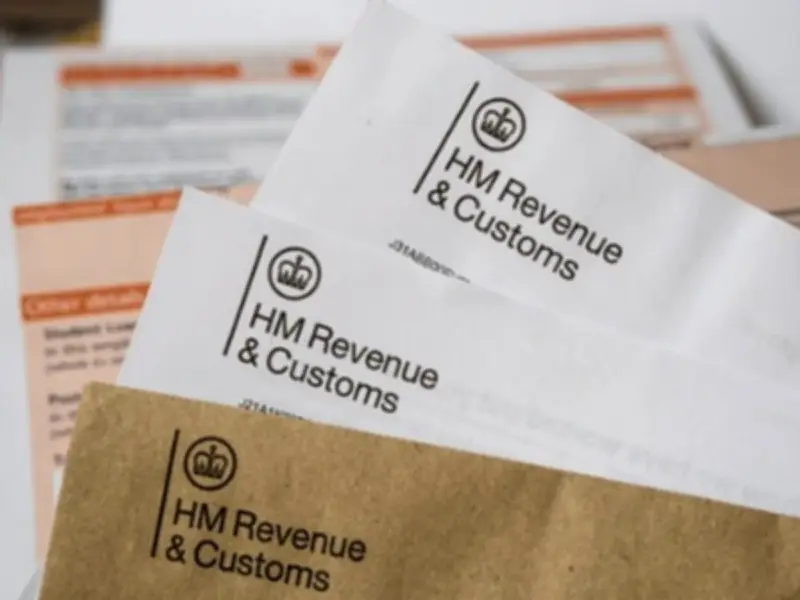
HMRC has confirmed that individuals registered as blind or severely sight impaired can benefit from an increased personal tax-free allowance of up to £15,820. This is achieved by adding the Blind Person's Allowance, worth £3,250, to the standard Personal Allowance of £12,570.
What is Blind Person's Allowance?
The Blind Person's Allowance is an additional tax-free allowance that reduces the amount of Income Tax you have to pay. According to HMRC: “Blind Person's Allowance is an extra amount of tax-free allowance. It means you can earn more before you start paying Income Tax. Blind Person’s Allowance is added to your yearly Personal Allowance - the amount of money you can earn before you start paying Income Tax.”
For the 2026/27 tax year, the allowance is set at £3,250, bringing the total tax-free threshold to £15,820 for eligible individuals. If both you and your spouse or civil partner qualify, each receives the allowance. Additionally, if you do not earn enough to use the full allowance, you can transfer it to your spouse or civil partner.

Eligibility Criteria
To claim Blind Person’s Allowance, you must be registered with your local council as blind or severely sight impaired. You also need a certificate confirming your condition, issued by your local authority or a doctor. This includes individuals with a certificate of vision impairment (CVI) or similar documentation.
The allowance is available immediately upon registration, and you can backdate claims for previous tax years if you were eligible but did not apply. HMRC advises that you should contact them to update your tax code, which will automatically apply the extra allowance to your earnings.
Support from Charities
The Royal National Institute of Blind People (RNIB) offers practical and emotional support for those newly diagnosed with sight loss. An RNIB spokesperson said: “If you have recently been diagnosed with an eye condition and feel in need of either emotional or practical support, you can contact RNIB. Specialist advisors will be happy to talk through your condition and send free detailed information to help you understand it better.”
RNIB also provides counselling services to help individuals cope with the changes in their lives. This can be on a one-to-one, paired, or group basis, either face-to-face, by telephone, or online. Local societies for people with sight loss and national charities such as Action for Blind People can also connect you with others who have experienced similar diagnoses, offering peer support and friendship.
How to Claim
To claim Blind Person’s Allowance, you should inform HMRC by phone or online using their dedicated service. You'll need your National Insurance number and details of your registration. The allowance will then be reflected in your tax code, reducing the amount of tax deducted from your wages or pension.
This additional tax relief is a significant financial benefit for blind and partially sighted individuals, helping to offset the costs associated with sight loss. It is important to note that only blindness qualifies for this allowance, despite some speculation about other health conditions.