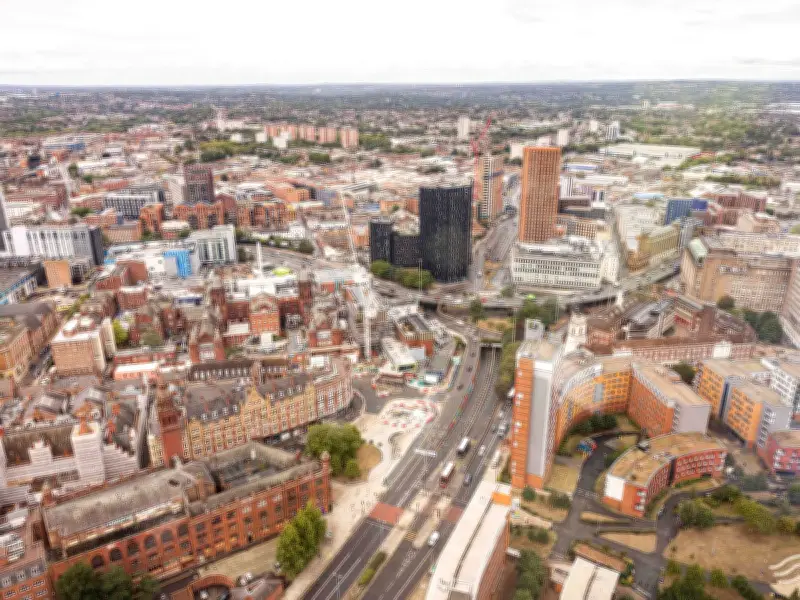
The strategic blueprint that will guide Birmingham's development for the next two decades is now in the public domain, with just six weeks for residents to scrutinise the proposals before they are finalised. The draft Local Plan identifies where 87,700 new homes will be built and maps out 16 growth zones, alongside areas earmarked for industrial expansion, regeneration, and infrastructure improvements.
What the Plan Sets Out
Planners describe the document as a 'spatial strategy' that will become the legal reference point for all future planning decisions, investment directions, and development approvals. It is designed to tackle housing shortages, stimulate economic growth, and modernise transport networks while addressing long-standing social inequalities and the climate emergency.
The plan promotes a vision of Birmingham as a globally distinctive city, with a strong focus on developing abandoned brownfield sites, creating higher-density housing, and expanding the city centre while safeguarding the Green Belt. Public transport, cycling, and walking are prioritised over car dependency, reflecting the council's commitment to sustainable urban mobility.

Housing Target Revised Down
Birmingham's total housing need has been calculated at 87,700 new homes by 2044, a figure that includes a five per cent buffer to ensure flexibility. This represents a significant downward revision from earlier estimates, though the council stresses that the scale of new housing remains substantial and will require large-scale development across the city.
The new homes will be concentrated in a network of growth zones identified in an earlier draft of the plan published this year. These zones are expected to absorb the majority of residential, employment, and regeneration activity, creating new communities and revitalising existing neighbourhoods.
Key Development Areas
The council has confirmed that the success of the entire development strategy depends on the delivery of major schemes in specific parts of Birmingham. These include Ladywood, Druids Heath, Pool Farm Estate, Poolway Shopping Centre, Illeybrook Square in Woodgate Valley, and Bromford. Each of these locations is set to undergo significant transformation, providing thousands of homes and local amenities.
In addition to housing, the plan outlines how the city's culture and heritage will be supported and expanded, reinforcing Birmingham's identity as a diverse and creative global city. The intention is to weave cultural infrastructure into the broader regeneration agenda, ensuring that new communities are not isolated from the city's rich history and artistic life.
Consultation and Next Steps
The latest iteration of the plan has been approved by the city council's cabinet and will now proceed to a final public consultation, a legal stage known as Regulation 19. This six-week period is the last formal opportunity for Birmingham residents, businesses, and stakeholders to influence the document before it is submitted to the government for independent examination.
The council is working to a tight timetable: a finalised version of the Local Plan is expected to be submitted to the Secretary of State for review in December. Once submitted, the plan must pass an independent inspection before it can be formally adopted and gain full legal weight in planning decisions.
Deadline Pressure
Birmingham is under significant pressure to adopt an up-to-date plan before the end of 2026. If the council fails to meet this national deadline, the entire process would have to restart under a new framework, causing years of delay and uncertainty for developers, investors, and residents alike.
This is why the current consultation is so critical. Every response gathered over the coming weeks will help shape the final plan that determines where Birmingham grows, how it moves, and what kind of city it becomes by the mid-2040s. The full draft Local Plan documents, including detailed maps and supporting evidence, are available on Birmingham City Council's website for anyone wishing to review the proposals and submit their views.