Birmingham City Council has tabled plans to designate a small corner of Wheels Park as a Site of Local Importance for Nature Conservation (SLINC), intensifying debate over the future of the land earmarked for Birmingham City Football Club's Sports Quarter.
The proposed SLINC covers just a small area on the western edge of the 48-acre Wheels Park site in east Birmingham. The wider Sports Quarter scheme includes construction of a new stadium dubbed The Powerhouse, training facilities, and a mixed-use development.
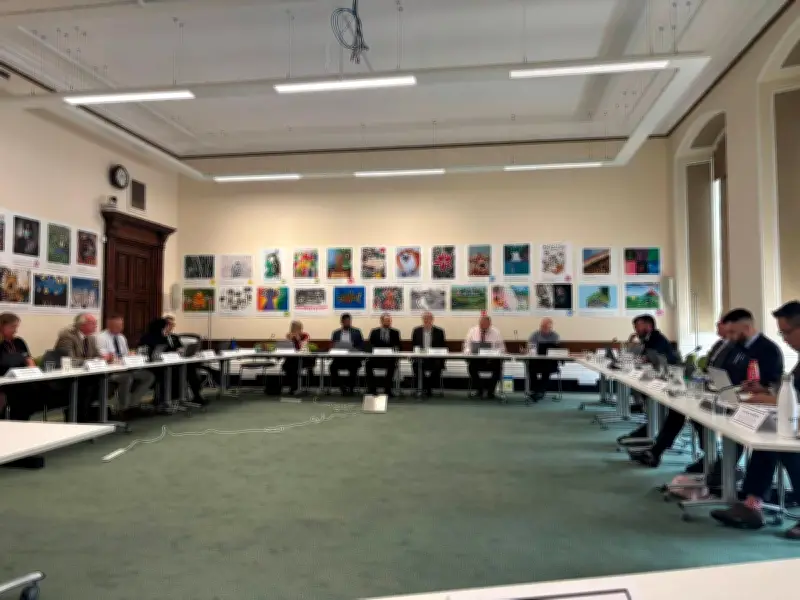
The proposal was discussed at a cabinet meeting on Tuesday, July 28, where councillors questioned the potential conflict between ecological protection and major regeneration ambitions for the area.

Political clash over balance between nature and jobs
Reform councillor Jex Parkin voiced concerns that the conservation designation could delay or constrain the project. He said: "It's a project that has the potential to bring thousands of jobs, major private investment, improved transport infrastructure, national prestige and long-term regeneration to one of the city's key growth areas."
His remarks highlight the political stakes surrounding the Sports Quarter, which is seen as a cornerstone of Birmingham's economic future. The potential for significant employment and investment makes any perceived obstacle a matter of intense scrutiny.
Green deputy leader Julien Pritchard defended the move, framing it as part of a wider effort to protect nature across the city. He said it is "always a balance" between development and protecting nature, adding: "Nature shouldn't just be for the outer suburbs and the posh bits of the city."
Pritchard's comments underscore a broader policy debate about ensuring that environmental benefits are distributed equitably, rather than concentrated in more affluent areas.
Council insists SLINC will not block development
Council officers moved to reassure members that the SLINC designation would not prevent development from taking place on the site. In a statement to the cabinet, they said the designation places "a greater requirement for adequate mitigation and compensation" rather than acting as a barrier to the scheme.
That means any future planning application for the Sports Quarter would need to demonstrate how ecological value would be considered, potentially through habitat creation, landscaping, or other environmental offsets. However, officers stressed that the designation does not amount to an outright veto.
The distinction is crucial for developers and investors, as SLINCs are a local designation used by Birmingham City Council to identify sites that are important for wildlife and nature conservation at a local level. While they carry weight in planning decisions, they are not equivalent to Sites of Special Scientific Interest (SSSIs) or other national designations.
Part of broader East Birmingham regeneration
The Sports Quarter has been identified as a key element of West Midlands Mayor Richard Parker's plans for an £11 billion regeneration of East Birmingham through a new Mayoral Development Corporation. That ambitious programme aims to transform the area into a major economic hub, with the Sports Quarter acting as a catalyst for further investment.
The designation of a SLINC on part of the Wheels Park site adds a layer of complexity to these plans. While council officers insist the two objectives are compatible, the political debate reflects the challenges of balancing growth with environmental commitments.
Birmingham City Council has said it will create a number of new nature conservation sites across the city, of which the Wheels Park proposal is just one. This appears to be part of a wider strategy to expand green corridors and protect biodiversity in urban areas.
The final decision on the SLINC designation will rest with the council, and it is likely to face further scrutiny as the Sports Quarter planning process moves forward. The outcome will be watched closely by both environmental groups and those advocating for rapid economic development in East Birmingham.