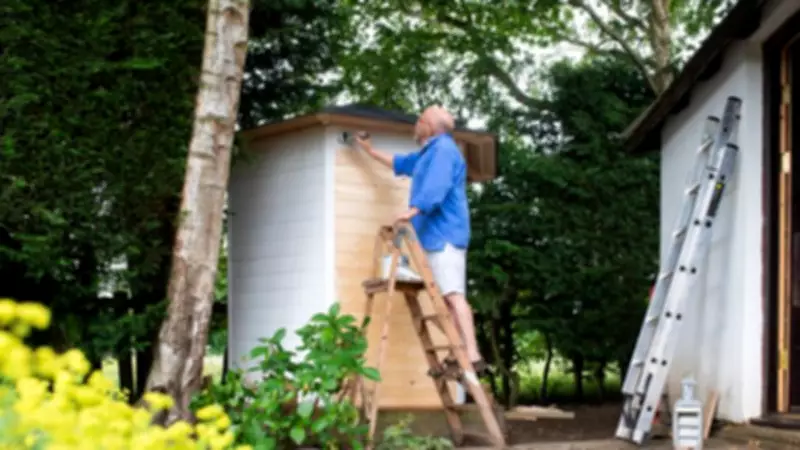
As warmer weather encourages time outdoors, many homeowners are turning their attention to their garden — not just for tidying up, but for bigger projects such as sheds, summer houses or children’s playrooms. But before picking up a hammer, experts say it is essential to understand what can be built without planning permission and where the rules become more restrictive.
Permitted Development Rights
According to the Planning Portal — a joint venture between TerraQuest Solutions Limited and the UK government — most garden structures fall under what is known as 'permitted development'. This includes sheds, garages, greenhouses, playhouses, sauna cabins, kennels, ponds, swimming pools and other similar structures intended for use 'incidental to the enjoyment of a home'. In most cases, this means planning permission is not required. However, there are important exceptions and size limits that homeowners must follow.
What Is Allowed
Under permitted development rights, most typical garden buildings can be built without permission as long as they meet specific conditions. These include limits on size, height and placement. For example, outbuildings must not be located in front of the principal elevation of the home (usually the front of the property facing the street). They must also be single-storey, with a maximum eaves height of 2.5 metres, writes Steven Smith from Liverpool Echo.

The overall height limit is 4 metres for dual-pitched roofs, or 3 metres for other roof types. If the building is within 2 metres of a boundary, the maximum height is restricted to 2.5 metres. Raised platforms are also tightly controlled, with any platform not exceeding 0.3 metres in height. Verandas and balconies are not permitted under these rights.
In addition, the total area covered by outbuildings and extensions must not exceed 50% of the land around the 'original house'. The original house is defined as the property as it was first built, or as it stood on July 1, 1948 if constructed earlier — even if later owners added extensions.
Protected Areas
Stricter rules apply in designated locations such as National Parks, the Broads, Areas of Outstanding Natural Beauty and World Heritage Sites. In these areas, buildings located more than 20 metres from the house are limited to a combined total of 10 square metres. On designated land, outbuildings at the side of properties generally require planning permission. If the property is a listed building, any new outbuilding will require permission regardless of size or location.
Exceptions and Rules
The rules also do not apply universally. Permitted development rights typically relate to houses, not flats, maisonettes, converted properties or homes created under specific permitted development schemes. Some areas may also have additional restrictions in place, such as Article 4 Directions or specific planning conditions that remove or limit permitted development rights entirely. Homeowners are advised to check carefully before starting any work, particularly where boundaries, heritage status or previous extensions may affect what is allowed.
The Planning Portal also recommends consulting official technical guidance available on gov.uk for full details before beginning any construction project.
While many garden structures can be built without formal permission, experts say understanding the rules in advance can help avoid costly mistakes — and ensure that a new shed, greenhouse or summer house doesn’t become a planning issue later on.