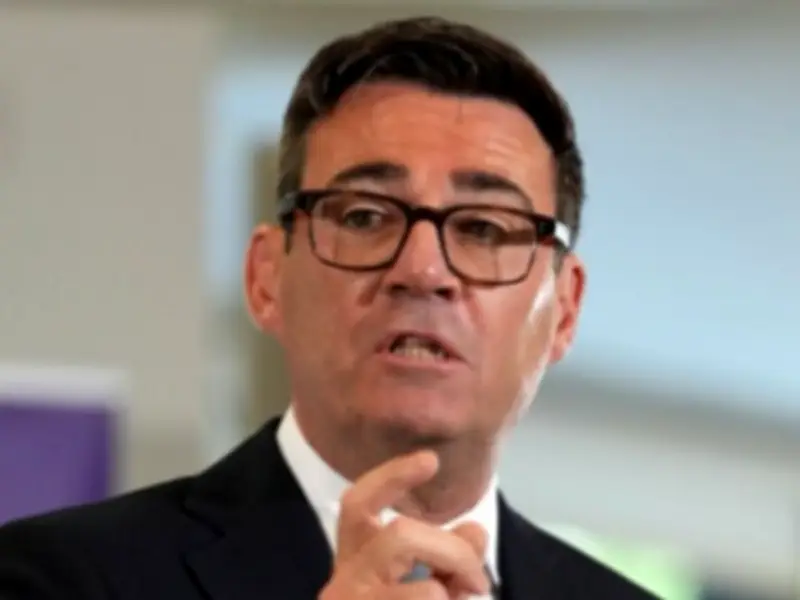
Andy Burnham has been urged to ditch the Triple Lock on state pensions to finance his social care reform plan, with experts warning the policy is unsustainable. The pledge would see state pension payments increase by a minimum of 2.5 per cent next April, adding at least £4 a week or £240 a year to the basic state pension, which would rise from £184 to £188 weekly. The basic state pension is available to men born before 1951 and women born before 1953, meaning a significant cohort of pensioners would benefit from the increase.
Triple Lock Faces Criticism
The National Institute of Economic and Social Research (NIESR), a leading think tank, has said that any spending commitments Prime Minister Burnham makes—including those on cost of living and defence—must be funded through tax rises or cuts elsewhere. Stephen Millard, NIESR's deputy director for macroeconomics, identified the welfare bill as "an obvious place to look." He highlighted the triple lock on pensions in particular as being "very, very expensive and will get more expensive as we age." The think tank's analysis suggests that without reform, the growing cost of pension commitments will crowd out other essential spending.
Social Care Funding Gap
Burnham, the Makerfield MP who became Prime Minister after Labour's election victory, has long promised to fix social care. However, his commitment to the Triple Lock—confirmed during a Reddit AMA—has created tension between pensioner benefits and the need to invest in care services. Experts argue that diverting the £240 per pensioner from the triple lock could help close the social care funding gap, which some estimates place at billions of pounds annually. The government has not yet detailed how it plans to fund its social care reforms.

Defence Spending Commitment
Unveiling his social care plan, Burnham declined to commit to raising Britain's defence spending to 3% of GDP by 2030. When pressed, he referred instead to the UK's pledge to meet the NATO target of 3.5% of GDP by 2035. "When it comes to defence, obviously those commitments … relate to the parliament after this one," Burnham said. "In terms of our NATO commitments, I have been very clear that we will honour those commitments. It does mean being prepared to look at challenging issues." Critics say the lack of a firm timeline undermines the UK's global security role.
Assisted Suicide Controversy
Gordon Macdonald, spokesperson for the organisation Care Not Killing, commended the Prime Minister for focusing on social care rather than pushing through a deeply controversial assisted suicide bill. "The prime minister is absolutely right. Trying to force through a deeply controversial bill, legalising assisted suicide, when palliative and social care are broken, would put pressure on the elderly, vulnerable and disabled people to end their lives prematurely, exactly as we have seen in other jurisdictions that have embraced assisted dying in some form," Macdonald said. He urged the government to prioritise fixing care services before debating end-of-life legislation.
The debate over the triple lock highlights the difficult choices facing the new administration. With an ageing population and rising costs, Burnham must balance promises to pensioners with the need for sustainable social care and defence commitments. The NIESR's warning underscores that without a clear funding strategy, the government's agenda risks being derailed by competing fiscal pressures.