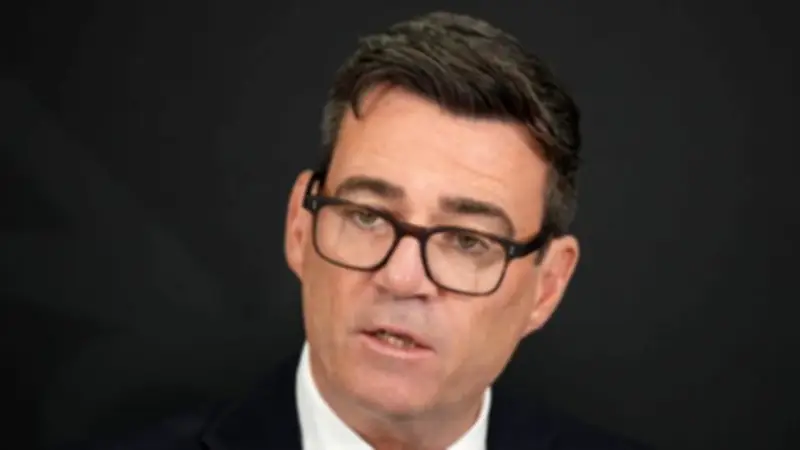
Prime Minister Andy Burnham has unequivocally dismissed speculation that his government is planning to abolish stamp duty, following reports that had suggested such a move was under serious consideration. During a visit to Portsmouth on Monday, Burnham told reporters that scrapping the property tax 'won't be happening', but he reaffirmed his commitment to making the overall taxation system fairer.
Burnham Clarifies His Position
'I don't know actually where some of the stories that have appeared over the last 24 hours have come from,' Burnham said. 'It seems that somebody within, I don't know, 100 yards of me can say something, and then all of a sudden it's my policy. Or someone can pass me something, and then I support everything within the document. It's just not the case that we are bringing forward plans on that scale at this moment in time.'
Stamp duty is currently applicable on property sales from £125,000 upwards. First-time buyers enjoy the benefit of paying nothing on purchases up to £300,000, though this relief ceases on properties priced above £500,000. The Prime Minister's comments came amidst growing speculation about potential changes to housing taxation.

Focus on Fairer Taxation
Burnham emphasised his broader goal of easing financial burdens on households. 'What we're trying to do, though, is to make taxation fairer. I removed VAT off electricity bills, said we would do that, and that will come through later in the year. We are looking at how we take that little bit of pressure off people's shoulders, reduce the cost of living,' he stated.
The Prime Minister has been critical of the current council tax system, telling the BBC there are 'big decisions ahead'. However, Downing Street was quick to quash suggestions that Burnham is actively weighing up the removal of council tax, describing the claims as 'not true'. Burnham has previously indicated he's been 'persuaded' by the case for overhauling the system.
Council Tax Reform Under Scrutiny
Speaking to Laura Kuenssberg on the BBC's Panorama programme, Burnham highlighted disparities in the current system. 'There are people here in Greater Manchester who pay a much higher council tax than people living in much larger homes in London. So the Chancellor before, Rachel Reeves, was right to start to reform council tax to create some fairness there in relation to people in homes that are of much greater value, who haven't seen their council tax go up over the years because of the failure to revalue the banding. So that's an example of something that I think was right and fair.'
Burnham added: 'We need to honour the manifesto upon which Labour was elected, and if I was to bring forward any changes, obviously people would rightly say, well, is this consistent with that manifesto? So there are big decisions ahead, you are right about that.'
Backbench Pressure for Wholesale Reform
Labour has faced pressure from its own backbenchers to overhaul council tax, including from Jonathan Brash, chairman of the cross-party group of MPs on council tax reform. The Labour MP for Hartlepool told the i Paper that 'wholesale reform' was needed. Brash has previously highlighted how band A homes in Hartlepool pay nearly 2.5 times more than those in Westminster. 'Council tax is one of the most unfair taxes in Britain, and nowhere is that injustice clearer than in towns like Hartlepool,' he said.
The Conservatives condemned any potential changes. Shadow Housing Secretary Sir James Cleverly said: 'Andy Burnham and Labour are just looking for more ways to tax middle England, and raise taxes on people's homes. Replacing council tax and stamp duty with a new house price tax would not be a tax cut for hardworking families – quite the reverse: people across England would end up paying more. This is just smoke and mirrors from the party that has already hiked both council tax and stamp duty.'
Other Recent Developments
The Prime Minister has also paused an early release plan that could have freed 6,000 prisoners, and announced cheaper bus travel from January with a £2 fare cap rollout. Additionally, Burnham dropped VAT on electricity bills to save households £45. These measures align with his stated goal of reducing the cost of living for ordinary people.