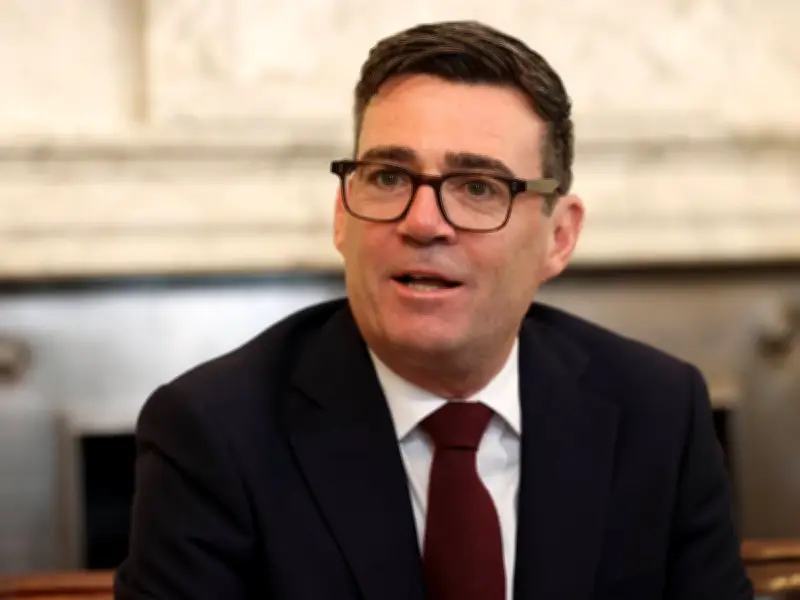
Andy Burnham has completed his first week as Prime Minister, announcing three key policy changes: a £2 cap on bus fares, removal of the 5% VAT on domestic energy bills, and a 20% cut in business rates for most pubs, clubs and live music venues. However, the political landscape remains dominated by the surge of Reform UK, which inflicted historic defeats on Labour in the May 2026 local elections.
Polling Shift Under New Leadership
According to PollCheck, an independent, nonpartisan UK political data site, Labour has significantly closed the gap on Reform UK since Burnham took office. On May 7, during the local elections, Reform UK led Labour by almost 8 percentage points: Reform UK 26.7%, Labour 18.6%, Conservative 18.6%, Greens 15.3%, Lib Dems 11.6%. The latest data, updated on July 24, shows Labour just 1% behind Reform UK: Reform UK 26%, Labour 25%, Conservative 19%, Lib Dems 10%, Greens 8%.
Public Optimism and Expectations
Despite the polling boost, Ipsos polling reveals only just over a quarter (24%) believe Burnham will change the country for the better. This is a sharp drop from two years ago, when 43% expected Keir Starmer to improve the country after his election victory. Furthermore, 66% of Britons think they should see noticeable improvements by the end of Labour’s three-year term, but only 44% believe they actually will.

Gideon Skinner, Senior Director of UK Politics at Ipsos, commented: "While Andy Burnham enters Downing Street with – just about - a net positive personal standing (and without the negativity that was attached to Keir Starmer at the end of his time in office), the events of the last couple of years have taken their toll on the public mood. While few think the new PM will make things worse, hopes that he will make a real positive change are not as high as they were when Starmer first entered No.10 in July 2024."
Managing Public Patience
Skinner added: "Many Britons are reserving judgement at this stage on how well the new PM will deliver, but they don’t want to wait too long before they see some improvements. Four in ten think seeing some signs of tangible change within the year is a realistic expectation – but only half that think they actually will. The central policy and communication challenge for the Government will be managing these high cost-of-living concerns and demonstrating steady progress before public patience begins to wear thin."
As Burnham settles into Number 10, the narrowing polling gap suggests his early actions may be resonating with voters, though the public remains cautious about the pace of change. The next few months will be critical in determining whether Labour can sustain this momentum against a resurgent Reform UK.