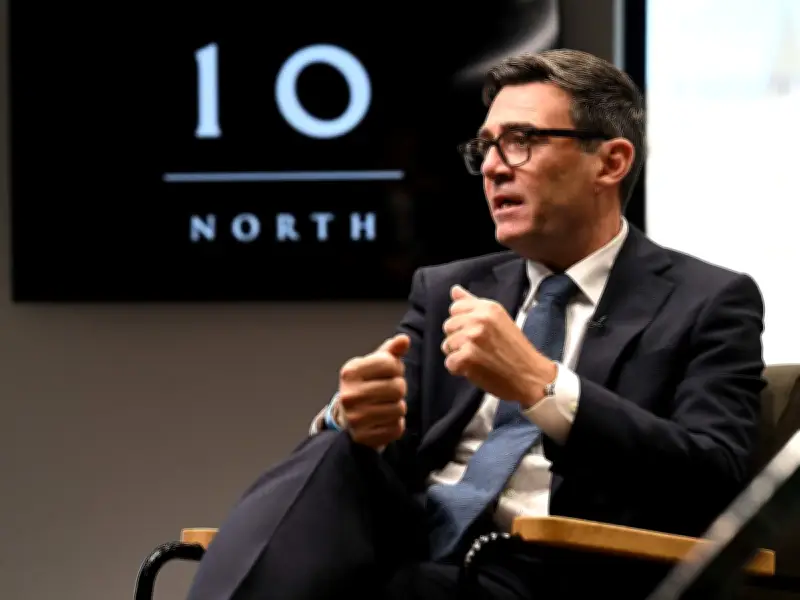
Winter Fuel Payments under Prime Minister Andy Burnham will continue to be tied to income, with a £35,000 household earnings threshold and a clawback system that recovers the money from higher-income pensioners. The rules, inherited from the previous Government, are expected to stay in force, meaning around three million over-65s will not retain the annual payment this year.
What are the Winter Fuel Payment rules?
The Winter Fuel Payment is an annual sum given to pensioners to assist with heating costs. It used to be paid to every household with someone over the state pension age, but that changed when the previous Government introduced a means test. Now, eligibility depends on household income, and only those below the £35,000 threshold can keep the payment.
Those who qualify receive either £200 or £300, depending on their age. The money normally arrives in bank accounts in November, providing a boost before winter sets in. The stated purpose of the payment is to help lower-income pensioners keep their homes warm during the cold months.

The £35,000 threshold explained
The threshold was set at £35,000 annually. Households earning more than this are considered financially comfortable enough to cope without the extra support. The previous Government introduced the change to focus on those who need it most, rather than distributing the payment universally regardless of wealth.
As a result, roughly three million over-65s no longer get to keep the payment. They were previously eligible under the universal system, but the new income test excluded them. This represents a significant shift in how the benefit is delivered.
How the payment is clawed back
A distinctive feature of the current scheme is that everyone is initially given the Winter Fuel Payment. This includes those who will later be deemed ineligible. Once it is established that a household’s income exceeds the £35,000 limit, the money is deducted from the pensioner’s regular pension payments over the following year.
Essentially, better-off retirees receive the payment upfront, but then have it taken back in instalments. This approach allows the system to maintain an automatic payment process while ensuring that the benefit ultimately goes only to those who meet the income criteria.
What does this mean for pensioners?
For pensioners on low incomes, little will change. They should receive their Winter Fuel Payment as usual in November, provided they meet the eligibility rules. For those on higher incomes, the payment will be a temporary advance that is later recovered, meaning they will not benefit financially in the long run.
The new Prime Minister, Andy Burnham, has not indicated any intention to modify the scheme. It is thought that the existing qualifying rules will remain in place under his leadership, as he has inherited them from the previous administration. This means the £35,000 threshold and the clawback mechanism are likely to continue.
Why the system was introduced
The previous Government brought in these changes to curb spending on benefits and focus resources on the most vulnerable pensioners. By linking the payment to income, the aim is to cover all low-income pensioners who require help without giving away cash to those who do not need it. Prime Minister Burnham appears to be continuing that approach.
As winter approaches, the payment remains a vital lifeline for many older people. While the rules have tightened, the government says the support is now better targeted. Whether the policy will be reviewed in the future remains to be seen, but for now, the £35,000 threshold is set to stay.